
 EN
EN
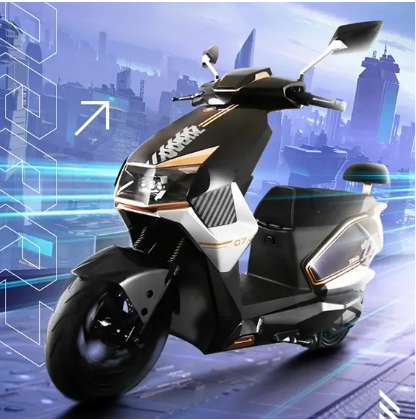
The modern motorcycle has evolved into a remarkably versatile machine that seamlessly transitions between urban environments and open highways. Unlike specialized vehicles designed for single purposes, today's motorcycle offers riders the unique ability to navigate congested city streets with agility while delivering the power and stability needed for high-speed highway cruising. This dual-purpose capability stems from sophisticated engineering that balances multiple performance characteristics, making the motorcycle an increasingly popular choice for commuters and touring enthusiasts alike.
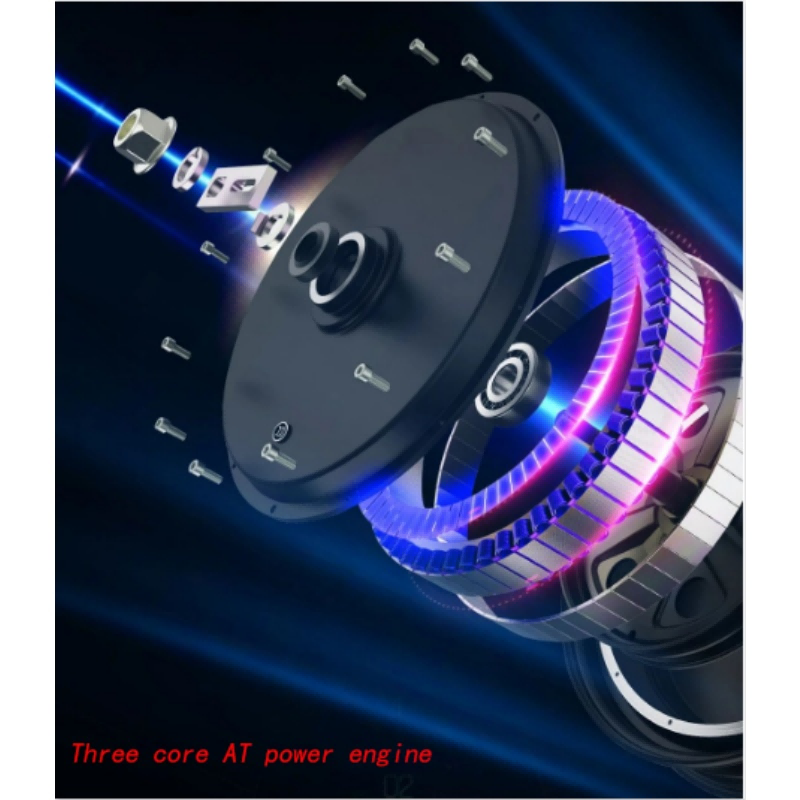
Engine Design and Performance Characteristics
Power Band Optimization
Modern motorcycle engines are engineered with broad power bands that deliver usable torque across a wide RPM range. This characteristic proves essential for city riding, where frequent acceleration from stops requires immediate low-end torque response. The same engine configuration that provides smooth city acceleration also generates sufficient power at higher RPMs for sustained highway speeds. Advanced fuel injection systems and variable valve timing further enhance this versatility by optimizing combustion efficiency across different operating conditions.
The thermal management systems in contemporary motorcycle engines also contribute to their dual-environment capability. Liquid-cooled engines maintain optimal operating temperatures during stop-and-go city traffic while preventing overheating during extended highway runs. Air-cooled designs incorporate sophisticated fin geometry and oil cooling systems to achieve similar thermal stability across varying riding conditions.
Transmission Technology
Multi-speed transmissions in modern motorcycles provide the gear ratios necessary for both urban maneuverability and highway performance. Lower gears offer the mechanical advantage needed for smooth city starts and hill climbing, while higher gears enable efficient cruising at highway speeds with reduced engine stress. Many contemporary motorcycle models feature six-speed transmissions that optimize fuel economy and rider comfort across the entire speed spectrum.
Electronic transmission aids such as quick-shifters and auto-blippers enhance the motorcycle riding experience in both environments. These technologies reduce rider fatigue during city commuting while enabling smoother gear changes during spirited highway riding. The integration of such systems demonstrates how modern motorcycle engineering addresses the diverse demands of multi-environment usage.
Suspension and Handling Systems
Adaptive Suspension Technology
The suspension system represents one of the most critical aspects of motorcycle versatility. Contemporary designs incorporate adjustable damping and spring preload settings that allow riders to optimize handling characteristics for specific conditions. Softer suspension settings enhance comfort during city riding over uneven surfaces and speed bumps, while firmer settings provide the stability and control needed for high-speed highway cornering and braking.
Electronic suspension systems take this adaptability further by automatically adjusting damping rates based on riding conditions and rider input. These systems continuously monitor factors such as throttle position, brake pressure, and lean angle to optimize suspension performance in real-time. Such technology enables a single motorcycle to deliver sport bike handling on highways while maintaining touring comfort in urban environments.
Chassis Geometry and Weight Distribution
The frame geometry of versatile motorcycles strikes a careful balance between stability and maneuverability. Moderate rake angles and trail measurements provide straight-line stability for highway cruising while maintaining sufficient agility for city navigation. Weight distribution plays an equally important role, with manufacturers positioning major components to achieve neutral handling characteristics that serve both riding environments effectively.
Advanced materials such as aluminum and carbon fiber enable motorcycle manufacturers to optimize weight distribution without compromising structural integrity. The resulting chassis designs deliver the rigidity needed for confident high-speed handling while maintaining the nimbleness required for urban riding scenarios. This engineering approach ensures that riders can transition seamlessly between different riding environments without feeling compromised in either situation.
Braking Systems and Safety Features
Anti-Lock Braking Technology
Modern motorcycle braking systems incorporate anti-lock technology that prevents wheel lockup during emergency stops in both city and highway conditions. This technology proves particularly valuable in urban environments where sudden stops are common due to traffic situations, while also providing crucial safety margins during high-speed highway braking scenarios. The ability to maintain steering control during hard braking enhances rider confidence across all riding conditions.
Advanced ABS systems include lean-angle sensors that adjust braking force distribution during cornering, a feature that benefits both city and highway riding. Urban riders benefit from improved safety during emergency maneuvers around obstacles, while highway riders gain enhanced stability during aggressive cornering and trail braking situations. These systems demonstrate how safety technology enhances motorcycle versatility across different riding environments.
Traction Control and Stability Management
Electronic traction control systems monitor wheel slip and adjust power delivery to maintain optimal grip in varying conditions. This technology proves valuable during city riding on wet or debris-covered surfaces, while also enhancing safety during highway acceleration and cornering. The ability to automatically modulate power delivery reduces the skill level required to ride safely in challenging conditions, making motorcycles more accessible to a broader range of riders.
Stability management systems integrate multiple sensors to monitor motorcycle dynamics and intervene when necessary to prevent loss of control. These systems work seamlessly in background during normal riding but provide crucial assistance during emergency situations or when riding conditions become challenging. The result is enhanced safety and confidence that benefits riders regardless of their chosen riding environment.
Ergonomics and Comfort Considerations
Riding Position Adaptability
The riding position on versatile motorcycles represents a compromise between the upright stance preferred for city visibility and comfort, and the aerodynamic tuck necessary for highway efficiency. Manufacturers achieve this balance through adjustable components such as handlebars, foot pegs, and seats that allow riders to customize their position for different types of riding. This adaptability ensures that the same motorcycle can provide comfortable commuting and enjoyable highway touring.
Windscreen design plays a crucial role in rider comfort across different environments. Adjustable or removable windscreens allow riders to optimize aerodynamic protection for highway speeds while maintaining the open feel preferred for city riding. Some motorcycle models feature electronically adjustable windscreens that can be modified on-the-fly to suit changing conditions, demonstrating the sophisticated engineering that enables multi-environment capability.
Seat Design and Storage Solutions
Seat design on dual-purpose motorcycles must balance the firm support needed for long highway rides with the comfort required for stop-and-go city traffic. Multi-density foam construction and ergonomic shaping help achieve this balance by providing targeted support where needed while maintaining overall comfort. Some manufacturers offer multiple seat options for the same motorcycle model, allowing riders to choose configurations optimized for their primary riding style.
Integrated storage solutions enhance the practicality of motorcycles for both city commuting and highway touring. Under-seat storage compartments, tank bags, and integrated luggage systems provide the carrying capacity needed for daily essentials and longer trips. The ability to securely transport items makes motorcycles more practical for everyday transportation while maintaining the freedom and efficiency that define the motorcycle experience.
Fuel Efficiency and Range Optimization
Engine Management Systems
Advanced engine management systems optimize fuel delivery and ignition timing for maximum efficiency across different operating conditions. These systems continuously monitor factors such as throttle position, engine load, and ambient conditions to deliver the precise air-fuel mixture needed for optimal combustion. The result is impressive fuel economy that makes motorcycle transportation cost-effective for both daily commuting and long-distance touring.
Variable valve timing and lift systems further enhance fuel efficiency by optimizing engine breathing for different RPM ranges and load conditions. During city riding, these systems prioritize low-end torque and fuel economy, while highway operation emphasizes power delivery and efficiency at cruising speeds. This technological sophistication enables modern motorcycles to achieve fuel economy figures that often exceed those of comparable automobiles.
Aerodynamic Efficiency
The aerodynamic design of contemporary motorcycles contributes significantly to their highway efficiency while maintaining the maneuverability needed for city riding. Carefully shaped fairings and bodywork reduce wind resistance at highway speeds, improving both fuel economy and rider comfort. The same aerodynamic features that enhance highway performance can often be adjusted or removed for city riding, where maximum airflow and visibility take precedence over aerodynamic efficiency.
Wind tunnel testing and computational fluid dynamics enable motorcycle manufacturers to optimize aerodynamic performance without compromising other aspects of motorcycle design. The resulting shapes achieve remarkable efficiency while maintaining the visual appeal and functional requirements that define modern motorcycle aesthetics. This attention to aerodynamic detail contributes to the overall versatility that makes motorcycles suitable for diverse riding applications.
Technology Integration and Connectivity
Digital Instrumentation and Navigation
Modern motorcycles incorporate sophisticated digital instrument clusters that provide riders with comprehensive information about vehicle performance and navigation. These systems prove equally valuable for city navigation and highway touring, offering real-time traffic updates, fuel range calculations, and performance monitoring. The integration of smartphone connectivity enables riders to access communication and entertainment features without compromising safety or convenience.
GPS navigation systems designed specifically for motorcycle use account for factors such as road surface quality, traffic conditions, and scenic routing preferences. These systems help city riders find efficient routes through urban traffic while providing highway tourists with engaging and safe routing options. The ability to plan and modify routes on-the-fly enhances the versatility of motorcycles for both practical transportation and recreational riding.
Ride Modes and Electronic Aids
Selectable ride modes allow riders to optimize motorcycle performance characteristics for specific conditions with the touch of a button. City modes typically emphasize smooth power delivery, enhanced traction control, and optimized ABS settings for urban conditions. Highway modes may adjust these same systems for more aggressive performance while maintaining safety margins appropriate for higher-speed riding.
Electronic cruise control systems reduce rider fatigue during long highway rides while providing precise speed control in city traffic situations. These systems integrate with other motorcycle electronics to maintain safe following distances and adjust speed based on traffic conditions. The seamless integration of such technologies demonstrates how modern motorcycle engineering addresses the diverse requirements of multi-environment riding.
FAQ
What engine size works best for both city and highway motorcycle riding
Engine displacement between 300cc and 650cc typically provides the ideal balance for dual-environment motorcycle use. This range offers sufficient low-end torque for city acceleration while generating adequate power for highway cruising speeds. Smaller engines may struggle with highway performance, while larger displacement engines can be challenging to manage in stop-and-go city traffic. Modern fuel injection and engine management systems maximize the versatility of engines within this displacement range.
How does motorcycle weight affect performance in different environments
Motorcycle weight significantly impacts performance characteristics in both city and highway environments. Lighter motorcycles offer superior maneuverability for city riding but may feel unstable at highway speeds, especially in crosswinds. Heavier motorcycles provide stability and comfort for highway touring but require more effort for city maneuvering and parking. The optimal weight range for dual-purpose use typically falls between 400-500 pounds, providing acceptable performance in both environments while remaining manageable for most riders.
Are sport motorcycles suitable for city commuting
Sport motorcycles can serve city commuting needs but often compromise comfort and practicality for performance. The aggressive riding position, firm suspension, and high-performance engines of sport motorcycles are optimized for track and highway performance rather than urban comfort. However, sport-touring and naked sport motorcycles offer more balanced characteristics that maintain sporty performance while providing better ergonomics and versatility for city use. Riders should consider their primary usage patterns when selecting between pure sport and more versatile motorcycle designs.
What safety gear is essential for both city and highway motorcycle riding
Essential motorcycle safety gear includes a DOT or Snell-certified helmet, armored jacket, protective pants, gloves, and over-ankle boots for both city and highway riding. High-visibility gear becomes particularly important for city riding due to increased traffic density and potential visibility issues. Highway riding may require additional wind protection and more robust armor due to higher speeds. Quality gear should provide protection appropriate for the highest speeds anticipated while remaining comfortable enough for extended wear during city commuting or long-distance touring.