
 EN
EN
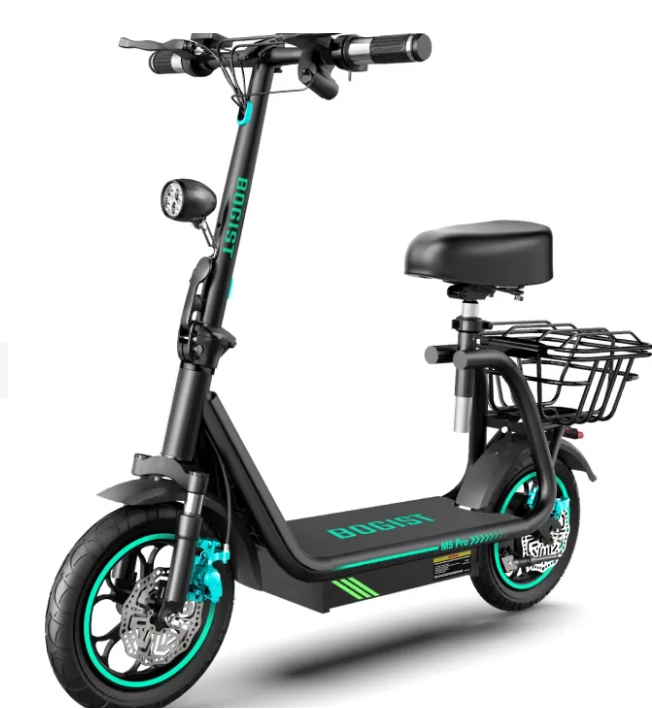
Urban mobility has transformed dramatically in recent years, with personal transportation devices becoming essential tools for navigating congested city streets. Modern commuters increasingly turn to efficient, eco-friendly alternatives that can weave through traffic and reach destinations faster than traditional vehicles. Among these innovative solutions, the scooter stands out as a versatile option that combines portability, speed, and environmental consciousness. These compact vehicles offer city dwellers an unprecedented level of freedom, allowing them to bypass traffic jams, reduce commuting costs, and contribute to cleaner urban environments while maintaining their daily schedules.
The Urban Transportation Revolution
Changing Commuting Patterns
Metropolitan areas worldwide are experiencing a fundamental shift in how people approach daily transportation. Traditional commuting methods often involve lengthy delays, expensive parking fees, and significant environmental impact. The modern scooter addresses these challenges by offering a nimble alternative that adapts to urban infrastructure constraints. Commuters can now complete journeys that previously required multiple transportation modes using a single, efficient device.
City planners recognize that conventional transportation systems struggle to accommodate growing populations and increasing urbanization. The integration of personal mobility devices like scooters into urban transportation networks represents a practical solution to these mounting challenges. These devices complement existing public transit systems while providing last-mile connectivity that bridges gaps between major transportation hubs and final destinations.
Environmental Impact Considerations
Environmental sustainability has become a crucial factor in transportation choices, with urban residents increasingly conscious of their carbon footprint. Electric scooter models produce zero direct emissions, contributing to improved air quality in densely populated areas. The energy efficiency of these devices significantly exceeds that of conventional vehicles, requiring minimal electricity to cover substantial distances.
Manufacturing processes for modern scooters emphasize sustainable materials and production methods. Many manufacturers incorporate recycled components and design products for longevity, reducing the overall environmental impact throughout the device's lifecycle. The compact size of a scooter also means fewer raw materials are required compared to larger vehicles, further minimizing environmental consequences.
Practical Benefits for City Navigation
Traffic Congestion Solutions
Urban traffic congestion costs cities billions of dollars annually in lost productivity and increased fuel consumption. A well-designed scooter can navigate through spaces where cars cannot pass, utilizing bike lanes, sidewalks, and other designated areas to maintain consistent travel speeds. This capability allows riders to maintain predictable schedules regardless of traffic conditions affecting larger vehicles.
Peak hour commuting becomes significantly more manageable when using a scooter for transportation. Riders can avoid the stop-and-go patterns that characterize automobile traffic, maintaining steady progress toward their destinations. The ability to take alternative routes unavailable to cars provides additional flexibility in route planning and time management.
Cost-Effective Transportation
The economic advantages of scooter ownership extend beyond the initial purchase price. Operating costs remain minimal, with electric models requiring only periodic charging and occasional maintenance. Parking fees, insurance costs, and fuel expenses that burden car owners are eliminated or dramatically reduced for scooter users.
Long-term financial benefits become apparent when comparing total ownership costs over several years. The absence of complex mechanical systems reduces maintenance requirements, while the compact design minimizes wear and tear from urban use. Many cities offer incentives for electric vehicle adoption, including reduced registration fees and access to restricted traffic zones.
Health and Lifestyle Advantages
Physical Activity Integration
Regular scooter use provides moderate physical exercise that complements sedentary work environments. Balance and core strength improve through consistent use, while leg muscles engage during acceleration and hill climbing. This low-impact activity suits various fitness levels and age groups, making it an accessible form of transportation-based exercise.
Mental health benefits accompany the physical aspects of scooter commuting. Outdoor exposure and increased control over travel timing reduce stress levels associated with unpredictable public transportation schedules. The sense of independence and self-reliance that comes with personal mobility contributes to improved overall well-being and life satisfaction.
Time Management Benefits
Professional schedules become more manageable when commute times are predictable and controllable. A reliable scooter eliminates dependence on public transportation delays and traffic-related uncertainties that can disrupt important meetings or appointments. The ability to adjust departure times based on distance rather than traffic conditions provides greater scheduling flexibility.
Personal time increases when commuting becomes more efficient. The time savings from using a scooter for short to medium-distance trips accumulates significantly over months and years. This recovered time can be invested in professional development, personal relationships, or leisure activities that contribute to improved quality of life.
Technology and Safety Features
Advanced Safety Systems
Modern scooter designs incorporate sophisticated safety features that protect riders in urban environments. LED lighting systems ensure visibility during dawn, dusk, and nighttime riding conditions. Reflective materials and bright color schemes help other traffic participants identify and avoid scooters on busy streets.
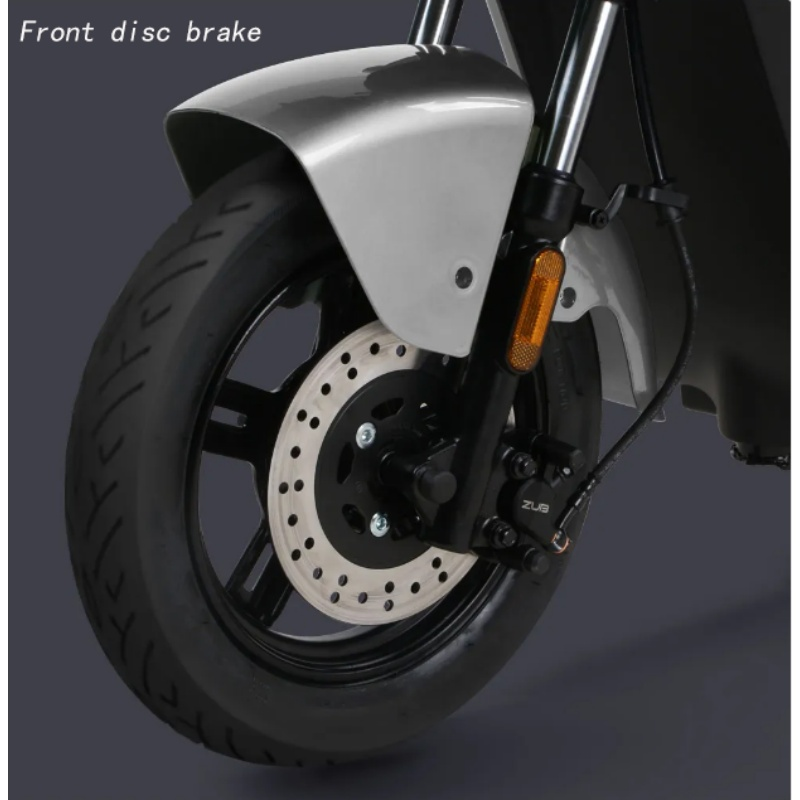
Braking systems have evolved to provide reliable stopping power in various weather conditions. Regenerative braking technology found in electric scooters not only improves safety but also extends battery life by converting kinetic energy back into stored electrical energy. Advanced suspension systems absorb road irregularities, providing smoother rides and better control over uneven urban surfaces.
Smart Technology Integration
Contemporary scooter models often feature smartphone connectivity that enhances the user experience through GPS navigation, trip tracking, and maintenance reminders. Mobile applications can monitor battery levels, plan efficient routes, and locate nearby charging stations for electric models. Some advanced systems include anti-theft features that alert owners to unauthorized movement.
Battery technology continues advancing, with longer-lasting power sources extending the practical range of electric scooters. Fast-charging capabilities reduce downtime between uses, while battery management systems optimize performance and longevity. These technological improvements make scooter ownership increasingly practical for daily urban transportation needs.
Urban Infrastructure Adaptation
Dedicated Infrastructure Development
Cities worldwide are adapting their infrastructure to accommodate the growing popularity of personal mobility devices. Dedicated scooter lanes, parking areas, and charging stations are being integrated into urban planning initiatives. These developments reflect recognition that scooters represent a permanent component of modern transportation ecosystems.
Public-private partnerships facilitate the development of scooter-friendly infrastructure. Municipal governments collaborate with device manufacturers and urban planners to create comprehensive mobility networks that serve diverse transportation needs. These initiatives often include educational programs that promote safe scooter use and integration with existing transportation systems.
Regulatory Framework Evolution
Legal frameworks governing scooter use continue evolving as cities gain experience with these devices. Licensing requirements, speed limits, and operational zones are being established to balance personal mobility freedom with public safety concerns. Clear regulations provide users with confidence while protecting pedestrians and other traffic participants.
Insurance and liability considerations are being addressed through updated legislation and industry standards. These developments create clearer expectations for manufacturers, users, and other stakeholders while promoting responsible adoption of scooter technology. Standardization efforts ensure compatibility and safety across different brands and models.
FAQ
What is the typical range of an electric scooter on a single charge?
Most electric scooters can travel between 15 to 30 miles on a single charge, depending on factors such as rider weight, terrain, speed settings, and weather conditions. High-end models may achieve ranges exceeding 40 miles, while budget options typically provide 10 to 15 miles of range. Battery capacity, measured in watt-hours, directly influences the maximum distance a scooter can travel before requiring recharging.
How do weather conditions affect scooter performance and safety?
Weather significantly impacts both scooter performance and rider safety. Rain reduces traction and visibility while potentially damaging electrical components if the scooter lacks adequate water resistance. Cold temperatures decrease battery efficiency and range, while extreme heat can cause overheating issues. Wind affects stability and control, particularly for lightweight models. Most manufacturers provide weather resistance ratings to help users understand their scooter's capabilities in various conditions.
What maintenance is required for regular scooter use?
Regular scooter maintenance includes checking tire pressure and tread wear, inspecting brakes for proper function, cleaning and lubricating moving parts, and monitoring battery health for electric models. Periodic tightening of bolts and screws prevents component loosening from vibration. Professional servicing may be required annually or after specific mileage intervals, depending on usage intensity and manufacturer recommendations.
Are there age or weight restrictions for scooter use?
Most scooter manufacturers specify minimum age requirements, typically ranging from 8 to 16 years depending on the model's power and speed capabilities. Weight limits generally range from 220 to 300 pounds for adult scooters, while children's models support lower weights. Local regulations may impose additional age restrictions or require protective equipment such as helmets. Users should verify both manufacturer specifications and local laws before operating a scooter.