
 EN
EN
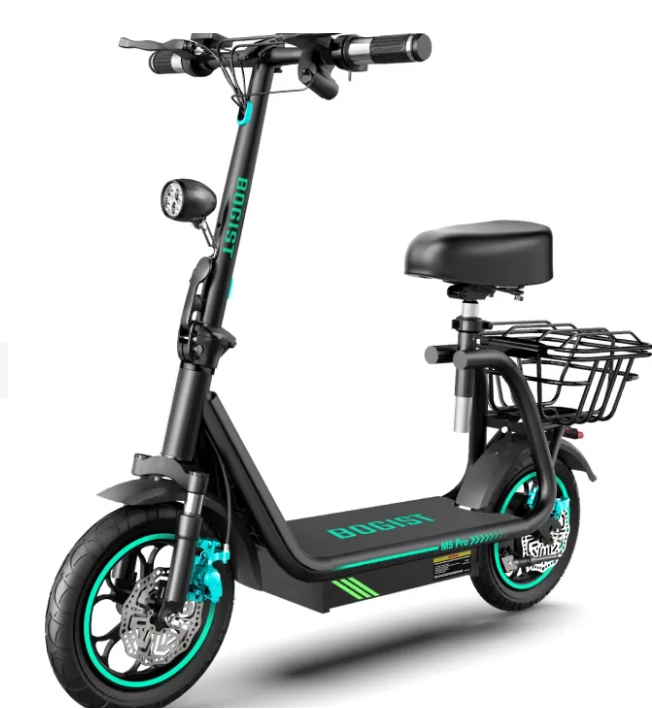
Urban transportation has undergone a remarkable transformation in recent years, with innovative mobility solutions reshaping how people navigate their daily commutes. Among these emerging alternatives, the scooter has gained significant traction as a practical and efficient mode of transport for modern city dwellers. This versatile vehicle offers a compelling combination of convenience, affordability, and environmental benefits that make it an attractive option for short to medium-distance travel. As cities worldwide grapple with traffic congestion, pollution, and the need for sustainable transportation, the scooter emerges as a solution that addresses multiple urban mobility challenges simultaneously.
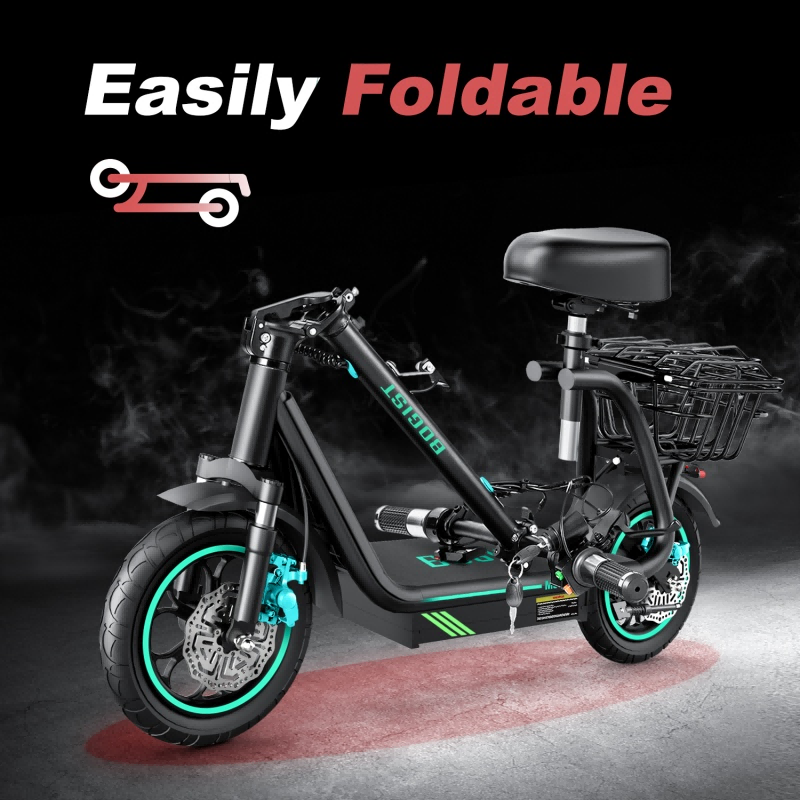
Economic Advantages of Scooter Transportation
Cost-Effective Mobility Solution
One of the most compelling benefits of incorporating a scooter into your daily transportation routine is the substantial cost savings it provides compared to traditional vehicle ownership. The initial purchase price of a quality scooter represents a fraction of what consumers typically spend on automobiles, making it accessible to a broader demographic. Beyond the upfront investment, ongoing operational costs remain remarkably low, with minimal fuel consumption for gas-powered models and negligible electricity costs for electric variants.
Maintenance expenses for scooter ownership are significantly reduced compared to cars or motorcycles. The simpler mechanical design means fewer components that require regular servicing, and replacement parts are generally more affordable and readily available. Insurance premiums for scooter riders are typically lower than those for automobile drivers, further contributing to the overall economic appeal of this transportation method.
Reduced Parking and Registration Fees
Urban parking costs can quickly accumulate into substantial monthly expenses for car owners, but scooter users enjoy considerable advantages in this area. Many cities provide designated scooter parking areas at no cost, and the compact size of these vehicles allows for creative parking solutions that would be impossible with larger vehicles. Registration fees and licensing requirements for scooters are often more affordable than those for automobiles, varying by jurisdiction but generally representing a smaller financial burden.
The reduced documentation and regulatory requirements associated with scooter ownership streamline the administrative aspects of vehicle ownership. This simplified approach to registration and licensing translates into both time and cost savings for users who choose this efficient mode of transportation for their daily needs.
Environmental Impact and Sustainability Benefits
Reduced Carbon Footprint
Environmental consciousness has become increasingly important in transportation decisions, and the scooter offers significant ecological advantages over conventional vehicles. Electric scooter models produce zero direct emissions during operation, contributing to improved air quality in urban environments where pollution levels often exceed recommended standards. Even gas-powered scooters typically achieve superior fuel efficiency compared to cars, resulting in substantially lower carbon emissions per mile traveled.
The manufacturing process for scooters requires fewer raw materials and energy compared to automobiles, further reducing their overall environmental impact. The smaller size and lighter weight of these vehicles mean less metal, plastic, and other resources are needed during production, creating a more sustainable manufacturing footprint from the outset.
Contribution to Urban Sustainability
Cities implementing comprehensive sustainability initiatives often recognize scooters as valuable components of their green transportation strategies. By encouraging scooter adoption through dedicated lanes, parking facilities, and supportive policies, municipalities can reduce overall vehicle congestion while promoting cleaner transportation alternatives. The integration of scooter-friendly infrastructure supports broader urban planning goals focused on reducing dependency on private automobiles.
The compact nature of scooter transportation also contributes to more efficient use of urban space. Parking facilities can accommodate multiple scooters in the space required for a single car, maximizing the utility of limited urban real estate while reducing the need for extensive parking infrastructure development.
Convenience and Practical Applications
Maneuverability in Urban Environments
The inherent design advantages of the scooter make it exceptionally well-suited for navigating crowded urban environments where larger vehicles struggle with mobility challenges. The compact size and nimble handling characteristics allow riders to navigate through traffic congestion more efficiently than cars, often reducing commute times significantly. This enhanced maneuverability proves particularly valuable during peak traffic hours when traditional vehicles are stuck in gridlock.
Narrow streets, tight corners, and congested intersections that pose challenges for automobile drivers become manageable obstacles for scooter operators. The ability to weave through traffic safely and legally, where permitted, transforms the daily commute from a frustrating experience into a more dynamic and efficient journey.
Flexible Parking and Storage Options
The storage and parking flexibility offered by scooters represents a significant practical advantage for urban commuters. Unlike cars that require dedicated parking spaces, scooters can often be parked in smaller areas, bike racks, or designated two-wheeler zones. This flexibility eliminates the stress and time consumption associated with finding parking in busy commercial or residential areas.
For individuals living in apartments or condominiums with limited parking availability, some scooter models can be stored indoors or in compact storage areas that would not accommodate larger vehicles. This indoor storage capability also provides security benefits and protection from weather-related wear and tear.
Health and Lifestyle Benefits
Physical Activity Integration
While scooters provide motorized transportation, they also incorporate elements of physical activity that contribute to overall health and wellness. Kick scooters, in particular, provide an excellent form of low-impact exercise that engages core muscles, improves balance, and enhances cardiovascular fitness. Even electric scooter usage requires physical engagement for steering, balancing, and maneuvering that provides more activity than passive car travel.
The outdoor nature of scooter travel provides exposure to fresh air and natural light, which can have positive mental health benefits compared to enclosed vehicle transportation. Regular scooter commuting can contribute to daily physical activity goals while simultaneously providing practical transportation benefits.
Stress Reduction and Mental Well-being
The simplified nature of scooter transportation can significantly reduce travel-related stress compared to automobile commuting. Without concerns about complex traffic navigation, parking fees, or fuel costs, scooter riders often experience a more relaxed and enjoyable commuting experience. The open-air travel experience provides a sense of freedom and connection to the surrounding environment that enclosed vehicle travel cannot match.
Many scooter users report improved mood and reduced anxiety levels associated with their daily commute when switching from cars to scooters. The combination of cost savings, environmental responsibility, and physical activity creates a positive feedback loop that enhances overall life satisfaction and well-being.
Safety Considerations and Modern Improvements
Advanced Safety Features
Modern scooter designs incorporate numerous safety features that address historical concerns about two-wheeled transportation. Advanced braking systems, improved lighting, and enhanced visibility features make contemporary scooters significantly safer than earlier models. Many electric scooters include regenerative braking systems that provide smooth, controlled deceleration while extending battery life.
Helmet technology and protective gear designed specifically for scooter riders have also evolved considerably, providing better protection without sacrificing comfort or convenience. Smart helmet options include integrated communication systems, navigation displays, and enhanced visibility features that improve both safety and functionality for daily commuters.
Infrastructure Development and Support
Urban infrastructure development increasingly accommodates scooter transportation through dedicated lanes, improved road surfaces, and better signage. Cities recognizing the benefits of scooter adoption invest in infrastructure improvements that enhance safety for all road users while promoting alternative transportation methods.
The growing popularity of scooter transportation has led to improved emergency response protocols and better integration with existing traffic management systems. These developments contribute to safer riding conditions and better overall transportation network efficiency.
Technology Integration and Smart Features
Connectivity and Smart Systems
Contemporary scooter models increasingly integrate smart technology features that enhance user experience and functionality. GPS navigation systems, smartphone connectivity, and mobile app integration provide riders with real-time information about route optimization, battery status, and maintenance needs. These technological advances transform the scooter from a simple transportation device into a connected mobility solution.
Anti-theft systems incorporating GPS tracking, remote locking, and smartphone alerts provide security features that protect the investment while offering peace of mind for daily users. These smart security systems often include usage tracking that helps riders monitor their transportation patterns and optimize their commuting efficiency.
Battery Technology and Range Improvements
Electric scooter technology continues advancing rapidly, with improved battery systems providing extended range and faster charging capabilities. Modern lithium-ion battery technology enables many electric scooters to achieve ranges suitable for typical daily commuting needs while maintaining compact form factors and reasonable weight specifications.
Fast-charging capabilities and removable battery options provide flexibility for users who need extended range or convenient charging solutions. These technological improvements address previous limitations and make electric scooters increasingly viable for a broader range of transportation applications.
FAQ
What is the typical range of an electric scooter for daily commuting
Most modern electric scooters designed for daily commuting offer a range between 15 to 40 miles per charge, depending on battery capacity, rider weight, terrain conditions, and riding speed. Premium models may achieve even greater ranges, while compact models prioritize portability over maximum distance. The range is generally sufficient for typical urban commuting needs, with many users able to complete round-trip journeys without requiring charging during the day.
Are scooters legal to use on public roads and bike lanes
Scooter legality varies significantly by jurisdiction, with different rules applying to different types of scooters and usage areas. Many cities allow electric scooters on bike lanes and some roadways, while others restrict them to specific areas or require registration and licensing. Gas-powered scooters typically require motorcycle licensing and registration in most jurisdictions. Potential users should research local regulations before purchasing or using scooters for daily transportation to ensure compliance with applicable laws.
How much maintenance does a scooter require compared to a car
Scooter maintenance requirements are generally much simpler and less expensive than automobile maintenance. Electric scooters require minimal routine maintenance, primarily involving tire pressure checks, brake adjustments, and periodic cleaning. Gas-powered scooters need regular oil changes and engine maintenance but still require significantly less service than cars. Most scooter maintenance tasks can be performed by users themselves or by local repair shops at a fraction of automotive service costs.
What weather conditions affect scooter safety and performance
Weather conditions significantly impact scooter safety and performance, with rain, snow, and ice creating hazardous riding conditions that require extra caution or alternative transportation arrangements. Wind can affect stability, particularly for lighter riders or in crosswind situations. Extreme temperatures can impact battery performance in electric models, reducing range in cold conditions. Many experienced scooter commuters develop weather-appropriate strategies and backup transportation plans for adverse conditions while enjoying the benefits of scooter travel during favorable weather periods.