
 EN
EN
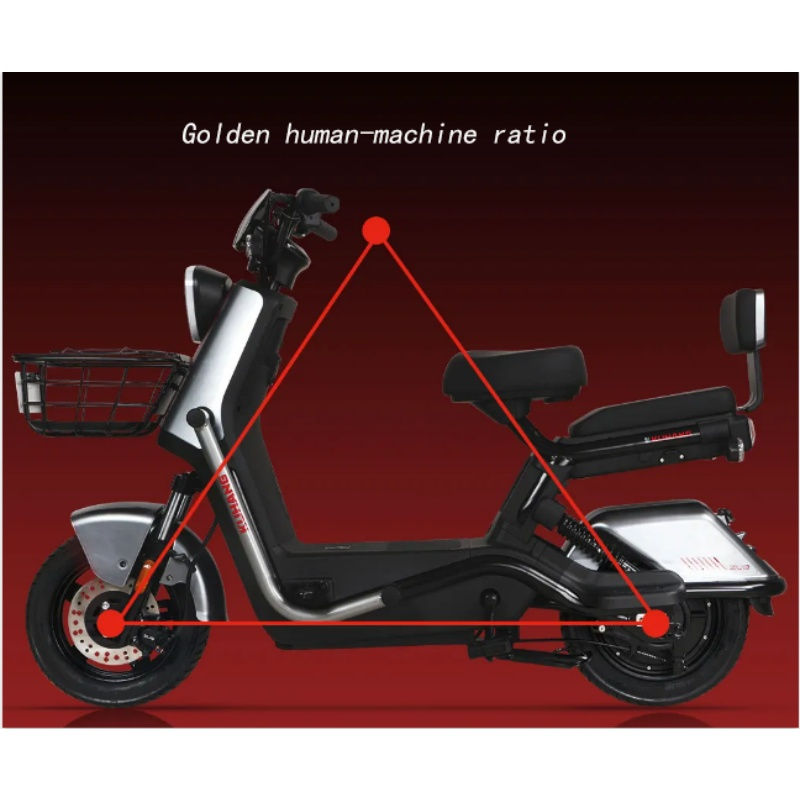
Modern urban transportation is rapidly evolving, and the scooter has emerged as a game-changing solution for millions of commuters worldwide. As cities become increasingly congested and environmental concerns mount, finding efficient and sustainable transportation alternatives has never been more critical. The scooter represents a perfect blend of convenience, affordability, and environmental responsibility that addresses the pressing mobility challenges of today's urban landscape.
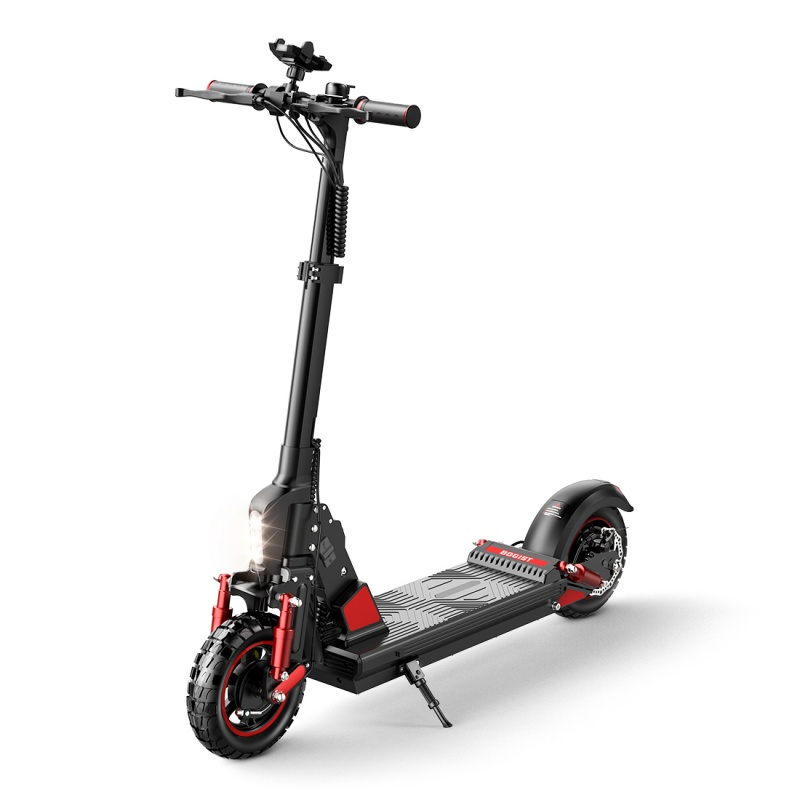
The growing popularity of scooter transportation stems from its unique ability to navigate through traffic-heavy urban environments while maintaining zero emissions. Unlike traditional vehicles that contribute to air pollution and traffic congestion, a scooter offers a streamlined approach to personal mobility. This innovative transportation method has gained significant traction among professionals, students, and eco-conscious individuals who prioritize both efficiency and environmental stewardship in their daily commuting decisions.
Environmental Benefits of Scooter Transportation
Zero Emission Mobility Solutions
Electric scooter technology represents a significant advancement in clean transportation alternatives. Every scooter trip eliminates the need for fossil fuel consumption, directly reducing carbon footprint and contributing to cleaner air quality in urban environments. Studies indicate that replacing short car trips with scooter journeys can reduce individual carbon emissions by up to 80 percent annually.
The environmental impact extends beyond immediate emission reductions. Manufacturing processes for scooter products increasingly incorporate sustainable materials and energy-efficient production methods. Many leading scooter manufacturers have committed to carbon-neutral production facilities, ensuring that the entire lifecycle of each scooter maintains minimal environmental impact from factory to final use.
Sustainable Urban Development Impact
Cities implementing comprehensive scooter infrastructure experience measurable improvements in air quality and reduced urban heat island effects. The widespread adoption of scooter transportation contributes to decreased demand for parking spaces, allowing urban planners to repurpose valuable real estate for green spaces and community amenities. This transformation supports broader sustainability goals while enhancing overall quality of urban life.
Research demonstrates that neighborhoods with high scooter adoption rates show improved pedestrian safety statistics and reduced noise pollution levels. The quiet operation of electric scooter models creates more peaceful urban environments, contributing to better mental health outcomes for residents and improved overall community well-being.
Cost-Effectiveness and Economic Advantages
Initial Investment and Long-Term Savings
The economic benefits of scooter ownership become apparent when comparing total transportation costs over time. Initial purchase prices for quality scooter models represent a fraction of automobile expenses, while ongoing operational costs remain minimal. Electricity costs for charging electric scooter batteries typically amount to less than fifty cents per week for average commuting distances.
Maintenance requirements for scooter vehicles are significantly lower than traditional automobiles, eliminating expenses related to oil changes, complex engine repairs, and expensive replacement parts. Insurance costs for scooter transportation are substantially reduced, and many regions offer tax incentives or rebates for purchasing eco-friendly transportation alternatives, further enhancing the economic appeal.
Operational Cost Comparisons
Detailed cost analysis reveals that scooter commuting can reduce transportation expenses by 70 to 90 percent compared to car ownership. Parking fees, fuel costs, registration expenses, and routine maintenance create substantial financial burdens that scooter users effectively eliminate from their monthly budgets. These savings accumulate significantly over time, providing resources for other important financial priorities.
Corporate adoption of scooter transportation programs has demonstrated substantial cost savings for businesses implementing employee mobility solutions. Companies providing scooter benefits report reduced parking infrastructure costs and improved employee satisfaction rates, creating win-win scenarios that benefit both organizational budgets and workforce morale.
Convenience and Practical Applications
Urban Navigation Advantages
The compact design and maneuverability of scooter transportation make it ideal for navigating congested urban environments where traditional vehicles struggle. Scooter riders can utilize bike lanes, sidewalks, and dedicated micro-mobility infrastructure to bypass traffic jams and reach destinations more efficiently. This flexibility dramatically reduces commute times during peak traffic hours.
Parking convenience represents another significant advantage of scooter transportation. Most scooter models can be folded and carried into offices, stored in small spaces, or secured in designated micro-mobility parking areas. This eliminates the stress and expense associated with finding adequate parking in busy urban districts, making scooter commuting particularly attractive for professionals working in dense commercial areas.
Portability and Storage Solutions
Modern scooter designs prioritize portability without compromising performance or safety features. Lightweight materials and innovative folding mechanisms allow users to seamlessly transition between riding and carrying their scooter when necessary. This versatility enables multi-modal transportation combinations, such as scooter-to-train or scooter-to-bus connections for longer commutes.
Storage solutions for scooter transportation continue to improve as manufacturers develop more compact and user-friendly designs. Many new scooter models feature quick-release mechanisms, removable batteries, and ergonomic carrying handles that enhance the overall user experience and make scooter transportation accessible to a broader demographic.
Health and Fitness Benefits
Physical Activity Integration
While electric scooter models provide motor assistance, they still require balance, core engagement, and subtle physical movements that contribute to daily activity levels. Regular scooter commuting helps improve balance, coordination, and overall physical awareness. Users often report enhanced mood and energy levels associated with outdoor physical activity during their commutes.
The low-impact nature of scooter riding makes it accessible to individuals with joint concerns or mobility limitations who might struggle with more intensive physical activities. This inclusivity allows a broader population to incorporate gentle physical activity into their daily routines while accomplishing necessary transportation goals.
Mental Health and Stress Reduction
Scooter commuting provides significant mental health benefits compared to stressful car commutes or crowded public transportation experiences. The outdoor exposure and sense of autonomy associated with scooter transportation contribute to improved mood and reduced anxiety levels. Many users describe their scooter commute as a refreshing transition period between home and work environments.
The freedom and flexibility of scooter transportation eliminate many stress factors associated with traditional commuting methods. No longer worried about traffic delays, parking availability, or public transportation schedules, scooter riders experience greater control over their daily mobility decisions, contributing to improved overall well-being and life satisfaction.
Technology and Innovation Features
Smart Connectivity Options
Contemporary scooter models integrate advanced technology features that enhance safety, convenience, and user experience. GPS tracking, smartphone connectivity, and integrated lighting systems provide comprehensive solutions for modern urban mobility needs. Many scooter brands offer companion mobile applications that provide battery monitoring, route planning, and maintenance reminders.
Anti-theft technology has become standard in premium scooter models, incorporating GPS tracking, remote locking mechanisms, and alarm systems that protect users' investments. These technological advances address security concerns while providing peace of mind for scooter owners in urban environments where theft risks exist.
Safety Enhancement Technologies
Modern scooter safety features include advanced braking systems, LED lighting arrays, and reflective materials that improve visibility during low-light conditions. Many scooter models incorporate electronic stability systems and speed governors that help prevent accidents while maintaining optimal performance. These safety innovations make scooter transportation suitable for riders of varying experience levels.
Collision avoidance technology and proximity sensors are emerging features in high-end scooter models, providing additional layers of protection for urban riders. As autonomous vehicle technology advances, scooter manufacturers are incorporating similar safety principles to create increasingly intelligent and protective transportation solutions.
FAQ
What is the average range of an electric scooter on a single charge
Most quality electric scooter models provide 15 to 25 miles of range on a single charge, depending on rider weight, terrain, and weather conditions. Premium scooter options can achieve ranges up to 40 miles, making them suitable for longer commutes. Battery technology continues to improve, with newer scooter models offering enhanced range capabilities and faster charging times.
Are scooters legal to ride on public roads and bike lanes
Scooter regulations vary by location, but most urban areas permit scooter use in bike lanes and on roads with speed limits under 35 mph. Riders should check local laws regarding helmet requirements, age restrictions, and designated riding areas. Many cities are developing specific scooter infrastructure and updating regulations to accommodate growing micro-mobility adoption.
How much maintenance does a scooter require compared to other vehicles
Scooter maintenance requirements are minimal compared to automobiles or motorcycles. Basic maintenance includes tire pressure checks, brake adjustments, and periodic cleaning. Electric scooter models require occasional battery care and software updates. Most scooter maintenance can be performed by owners using basic tools, reducing long-term ownership costs significantly.
What weather conditions are suitable for safe scooter riding
Scooter riding is safe in most weather conditions except heavy rain, snow, or ice. Many scooter models feature water-resistant ratings that allow light rain riding, but wet surfaces can reduce traction and braking effectiveness. Riders should exercise caution during windy conditions and consider alternative transportation during severe weather events to ensure personal safety.