
 EN
EN
The modern urban landscape has witnessed a remarkable transformation in transportation solutions, with various vehicles adapting to meet the diverse needs of city dwellers. Among these innovative transport options, the tricycle has emerged as a versatile and practical solution that bridges the gap between traditional bicycles and larger motor vehicles. Urban planners and transportation experts increasingly recognize the significant role that tricycle technology plays in addressing contemporary mobility challenges. From commercial deliveries to personal transportation, these three-wheeled vehicles offer unique advantages that make them indispensable components of modern urban transport systems.
Commercial Delivery Applications
Last-Mile Delivery Solutions
The e-commerce boom has created unprecedented demand for efficient last-mile delivery systems, and the tricycle has proven to be an exceptional solution for this critical transportation segment. These vehicles excel in navigating narrow urban streets and congested areas where larger delivery trucks struggle to operate effectively. The cargo capacity of a well-designed tricycle allows delivery personnel to transport substantial loads while maintaining excellent maneuverability through dense urban environments. Major logistics companies have increasingly adopted tricycle fleets for their ability to reduce delivery times and operational costs significantly.
Environmental consciousness has become a driving factor in commercial delivery operations, and tricycle technology offers substantial advantages in this regard. Electric-powered models produce zero emissions during operation, making them ideal for cities implementing strict environmental regulations. The lower operating costs associated with tricycle maintenance and fuel consumption translate into improved profit margins for delivery companies. Additionally, the compact size of these vehicles reduces traffic congestion and parking challenges that larger delivery trucks typically create in urban areas.
Food Service Industry Integration
The food service industry has embraced tricycle technology as an innovative solution for mobile food preparation and delivery operations. Food trucks and mobile vendors utilize specially configured tricycles equipped with cooking facilities, refrigeration systems, and serving counters. These mobile food units can access locations that traditional food trucks cannot reach, expanding market opportunities and customer accessibility. The flexibility of tricycle-based food services allows entrepreneurs to test new markets and locations with minimal infrastructure investment.
Restaurant chains and food delivery services have discovered that tricycle fleets offer superior performance in dense urban areas compared to conventional delivery vehicles. The ability to park easily near customer locations reduces delivery times and improves customer satisfaction rates. Temperature-controlled cargo compartments ensure food quality maintenance during transport, while the enhanced stability of three-wheeled design protects delicate food items from damage during delivery operations.
Personal Transportation Solutions
Accessibility and Mobility Enhancement
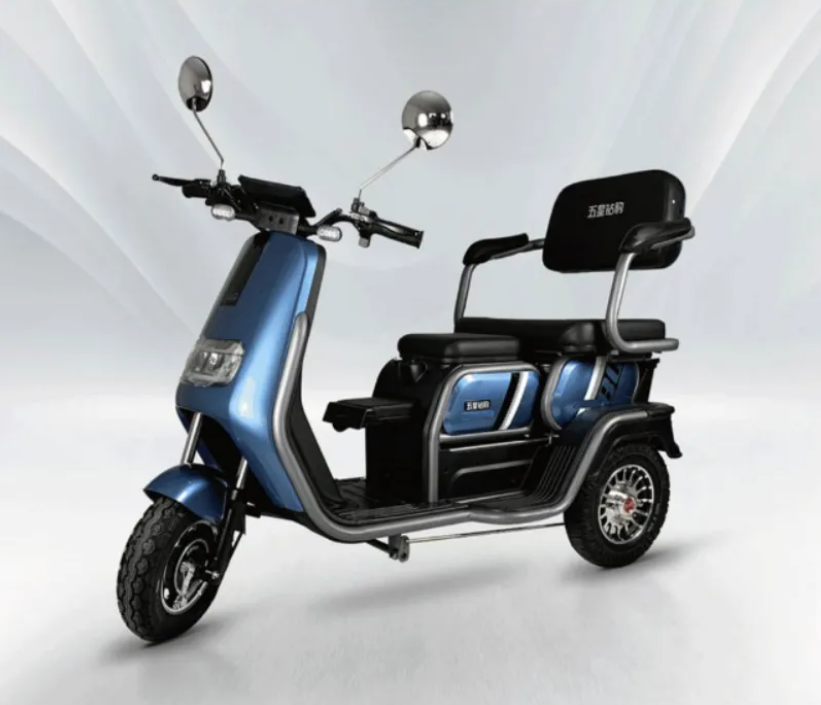
Personal transportation tricycle designs have revolutionized mobility options for individuals with varying physical capabilities and transportation needs. These vehicles provide stable, safe transportation alternatives for elderly users who may find traditional bicycles challenging to operate safely. The enhanced stability offered by the three-wheel configuration reduces the risk of accidents and increases confidence among users who require additional support during transportation. Many municipalities have recognized these benefits and incorporated tricycle-friendly infrastructure into their urban planning initiatives.
Adaptive tricycle designs accommodate users with disabilities, providing independence and mobility that traditional transportation options may not offer effectively. Specialized configurations include features such as wheelchair accessibility, hand-operated controls, and custom seating arrangements. These adaptations enable individuals with limited mobility to participate more fully in urban life, accessing employment opportunities, healthcare services, and social activities that might otherwise remain inaccessible.
Recreation and Tourism Applications
Urban tourism has embraced tricycle technology as an engaging and environmentally friendly way to explore city attractions and landmarks. Guided tricycle tours offer tourists unique perspectives of urban environments while providing exercise and entertainment simultaneously. The leisurely pace of tricycle transportation allows visitors to observe architectural details and cultural elements that faster transportation modes typically miss. Many cities have developed dedicated tricycle tour routes that highlight historical districts, parks, and scenic areas.
Recreational tricycle usage extends beyond tourism to encompass fitness and wellness activities for urban residents. Parks and recreational facilities increasingly accommodate tricycle users with dedicated paths and rental programs. Families utilize tricycle transportation for leisure activities, combining exercise with practical transportation for picnics, shopping trips, and social visits. The social aspect of tricycle riding creates community connections and promotes active lifestyle choices among urban populations.
Municipal and Public Service Applications
Maintenance and Infrastructure Services
Municipal governments have discovered numerous applications for tricycle technology in public service delivery and infrastructure maintenance operations. Parks and recreation departments utilize tricycles for grounds maintenance, equipment transportation, and facility management tasks. The maneuverability of these vehicles allows maintenance crews to access areas that larger equipment cannot reach, improving service quality and operational efficiency. Specialized attachments and cargo configurations enable tricycles to transport tools, supplies, and equipment necessary for various maintenance operations.
Street cleaning and waste management services have integrated tricycle fleets into their operational strategies, particularly in historic districts and pedestrian areas where larger vehicles face access restrictions. The quiet operation of electric tricycles makes them suitable for early morning or late evening service schedules without disturbing residential neighborhoods. Waste collection tricycles serve commercial districts effectively, providing frequent pickup services that maintain cleanliness standards while reducing operational costs compared to traditional garbage trucks.
Emergency and Security Services
Emergency response organizations have recognized the value of tricycle technology for specific response scenarios and community policing initiatives. Medical emergency tricycles equipped with first aid supplies and communication equipment provide rapid response capabilities in congested areas where ambulances might face delays. The compact size allows emergency responders to navigate through traffic and reach patients quickly, potentially saving lives in critical situations.
Security and law enforcement agencies utilize tricycle patrols for community engagement and crime prevention activities. Officers on tricycles maintain higher visibility and accessibility compared to patrol cars, encouraging positive community interactions and improving public safety perception. The environmentally friendly operation of these vehicles aligns with community values while providing effective patrol coverage in parks, commercial districts, and residential neighborhoods.
Environmental and Economic Benefits
Sustainability and Carbon Footprint Reduction
The environmental advantages of tricycle transportation contribute significantly to urban sustainability goals and climate change mitigation efforts. Electric tricycle models produce zero direct emissions, reducing urban air pollution and improving public health outcomes. The energy efficiency of these vehicles surpasses traditional automobiles substantially, requiring less electricity per mile traveled and reducing overall energy consumption. Cities implementing tricycle-friendly policies report measurable improvements in air quality and noise pollution levels.
Manufacturing and lifecycle environmental impacts of tricycles remain significantly lower than conventional motor vehicles, requiring fewer raw materials and generating less waste during production processes. The durability and repairability of tricycle components extend vehicle lifespans, reducing replacement frequency and associated environmental costs. Recycling programs for tricycle batteries and components support circular economy principles while minimizing waste generation.
Economic Development and Job Creation
The growing tricycle industry has created numerous employment opportunities across manufacturing, sales, maintenance, and service sectors. Small businesses and entrepreneurs find tricycle-based operations accessible due to lower startup costs compared to traditional vehicle-dependent enterprises. Delivery services, food vendors, and transportation providers can enter markets with minimal capital investment while maintaining competitive service capabilities.
Economic benefits extend to reduced healthcare costs as tricycle usage promotes physical activity and reduces sedentary lifestyle health risks. Cities report decreased traffic congestion costs when tricycle adoption increases, as these vehicles occupy less road space and reduce parking demand. The local economic multiplier effects of tricycle manufacturing and service industries support community development and retain economic value within local markets.
Technology Integration and Innovation
Smart Technology Features
Modern tricycle designs incorporate advanced technology features that enhance safety, performance, and user experience significantly. GPS navigation systems, smartphone connectivity, and digital displays provide users with real-time information about routes, battery status, and performance metrics. Safety features include automatic lighting systems, turn signals, and collision avoidance sensors that improve visibility and reduce accident risks in urban environments.
Electric tricycle battery technology continues advancing, offering longer range capabilities and faster charging times that address previous limitations. Regenerative braking systems capture energy during deceleration, extending battery life and improving overall efficiency. Smart charging infrastructure development supports widespread tricycle adoption by providing convenient and accessible power sources throughout urban areas.
Autonomous and Connected Systems
Research and development initiatives explore autonomous tricycle technology for specialized applications such as cargo delivery and public transportation. Connected vehicle systems enable fleet management optimization, predictive maintenance scheduling, and real-time performance monitoring. These technological advances promise to further expand tricycle applications while improving operational efficiency and safety standards.
Integration with smart city infrastructure allows tricycles to communicate with traffic management systems, optimizing route planning and reducing congestion. Vehicle-to-infrastructure communication enables dynamic traffic signal optimization and improved safety through enhanced awareness of tricycle presence on roadways. These connected systems support the development of comprehensive urban mobility solutions that prioritize efficiency and sustainability.
FAQ
What are the main safety considerations for urban tricycle use
Urban tricycle safety depends on proper vehicle maintenance, appropriate safety equipment, and adherence to traffic regulations designed for three-wheeled vehicles. Operators should wear protective gear including helmets and reflective clothing, especially during night operations. Regular brake inspections, tire pressure monitoring, and electrical system checks ensure optimal performance and reduce accident risks. Many cities require licensing and insurance for commercial tricycle operations to maintain safety standards and protect both operators and the public.
How do tricycles compare to bicycles for commercial delivery applications
Tricycles offer superior cargo capacity and stability compared to traditional bicycles, making them more suitable for commercial delivery operations that require transporting substantial loads. The three-wheel design provides better balance when loading and unloading cargo, reducing the risk of accidents and product damage. Electric tricycle motors assist with heavy loads and hill climbing, enabling delivery personnel to cover longer distances with less physical fatigue. However, bicycles may offer advantages in extremely narrow spaces or areas with strict weight restrictions.
What infrastructure changes support increased tricycle adoption in cities
Supporting tricycle adoption requires developing dedicated parking areas, charging infrastructure for electric models, and traffic lanes designed to accommodate three-wheeled vehicles safely. Cities benefit from implementing tricycle-friendly traffic signals, intersection designs that account for turning radius requirements, and maintenance facilities capable of servicing these vehicles. Educational programs for traffic enforcement and urban planners help ensure proper integration of tricycles into existing transportation systems while maintaining safety and efficiency standards.
Are there specific regulations governing commercial tricycle operations
Commercial tricycle regulations vary significantly between jurisdictions, but commonly include licensing requirements, insurance mandates, and safety equipment specifications. Operators typically need commercial driver permits, vehicle registration, and compliance with local business licensing requirements. Weight limits, operating hour restrictions, and designated route requirements may apply depending on local ordinances. Food service tricycles often face additional health department regulations regarding food safety, equipment sanitization, and vendor permit requirements that ensure public health protection.