
 EN
EN
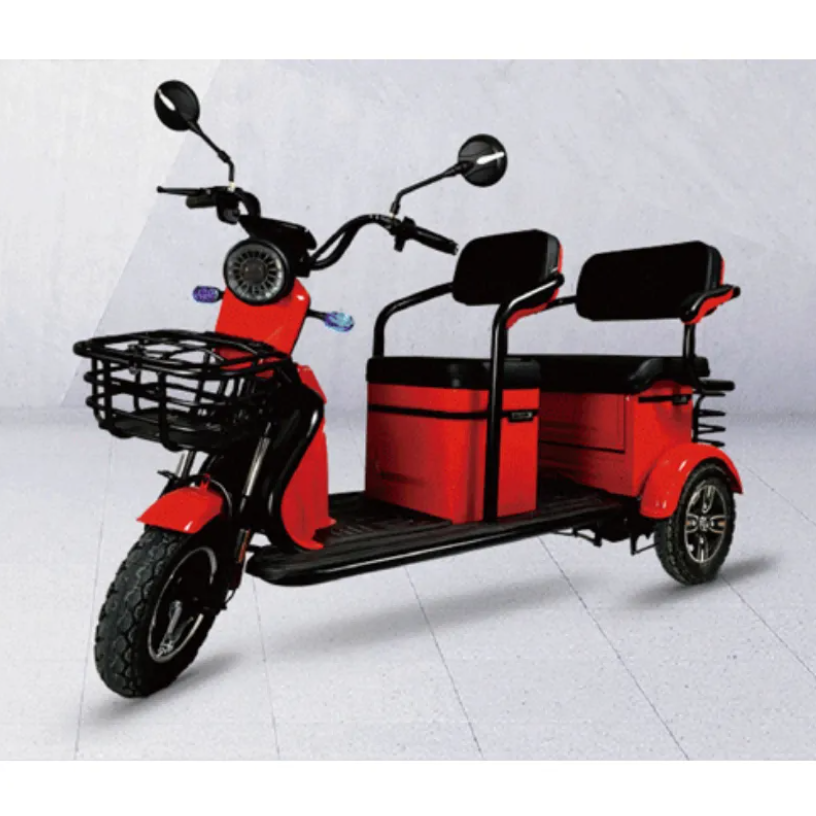
Urban logistics has evolved dramatically in recent years, with businesses seeking more efficient and sustainable transportation solutions for last-mile delivery. The freight tricycle has emerged as a revolutionary solution that addresses many challenges faced by modern logistics companies. This versatile vehicle combines the maneuverability of a bicycle with the cargo capacity necessary for urban deliveries, making it an ideal choice for navigating congested city streets while maintaining operational efficiency.
Environmental Benefits and Sustainability Impact
Zero Emission Transportation Solution
The freight tricycle represents a significant advancement in environmentally conscious urban transportation. Unlike traditional delivery vehicles that rely on fossil fuels, electric freight tricycles produce zero direct emissions during operation. This characteristic makes them particularly valuable in urban environments where air quality concerns are paramount. Cities worldwide are implementing stricter emission regulations, and businesses utilizing freight tricycles can easily comply with these environmental standards while contributing to cleaner air quality in metropolitan areas.
The environmental advantages extend beyond just emission reduction. The manufacturing process of a freight tricycle requires significantly fewer resources compared to larger commercial vehicles. The smaller battery systems in electric models have a lower environmental impact throughout their lifecycle, from production to disposal. Additionally, the reduced weight and size mean less wear on road infrastructure, contributing to decreased maintenance needs and associated environmental costs of road repair and construction activities.
Energy Efficiency and Resource Conservation
Energy consumption patterns of freight tricycles demonstrate remarkable efficiency compared to conventional delivery vehicles. Electric models typically consume a fraction of the energy required by delivery vans or trucks to transport equivalent cargo loads over short distances. This efficiency translates into reduced strain on electrical grids and lower overall energy demand for urban logistics operations. The regenerative braking systems found in many modern freight tricycles further enhance energy efficiency by converting kinetic energy back into stored electrical energy.
Resource conservation extends to reduced petroleum dependency and decreased demand for parking infrastructure. A single parking space designed for a delivery van can accommodate multiple freight tricycles, optimizing urban land use. This spatial efficiency becomes increasingly important as cities face growing pressure to balance commercial needs with residential and recreational space requirements. The compact nature of freight tricycles also reduces the need for large-scale logistics facilities, allowing for more distributed and flexible warehouse operations.
Operational Efficiency and Cost Effectiveness
Reduced Operating Costs and Maintenance Requirements
The operational economics of freight tricycles present compelling advantages for logistics companies of all sizes. Maintenance costs remain significantly lower than traditional delivery vehicles due to simpler mechanical systems and fewer moving parts. Electric freight tricycles eliminate the need for oil changes, transmission maintenance, and complex engine repairs that characterize conventional vehicles. The reduced complexity translates into lower technician training requirements and decreased downtime for routine maintenance activities.
Fuel and energy costs represent another area of substantial savings. Electric freight tricycles can be recharged at a fraction of the cost of gasoline or diesel fuel, and charging can often occur during off-peak hours when electricity rates are lowest. Many businesses report operational cost reductions of up to sixty percent when switching from traditional delivery vehicles to freight tricycle fleets. Insurance costs also tend to be lower due to reduced accident severity and lower replacement values, contributing to overall operational efficiency.
Enhanced Productivity in Urban Environments
Urban congestion poses significant challenges for traditional delivery vehicles, but freight tricycles excel in navigating dense traffic conditions. Their compact size allows access to narrow streets, pedestrian zones, and areas where larger vehicles face restrictions. This accessibility enables more direct routing and reduces the time spent searching for parking or loading zones. Many cities now provide dedicated bicycle infrastructure that freight tricycles can utilize, further improving delivery efficiency and safety.
The agility of freight tricycles enables multiple delivery stops within shorter timeframes compared to larger vehicles. Drivers can easily park close to delivery locations, reducing walking distances and handling time for packages. This proximity advantage becomes particularly valuable in dense urban areas where parking availability is limited and loading zones are heavily regulated. The ability to operate in bike lanes and utilize alternative routes during peak traffic hours maintains consistent delivery schedules regardless of traffic conditions.
Versatility and Adaptability Features
Customizable Cargo Solutions
Modern freight tricycles offer remarkable adaptability through modular cargo systems that can be configured for diverse delivery requirements. Removable cargo boxes, refrigerated compartments, and specialized mounting systems allow operators to customize their freight tricycle for specific applications. Food delivery services can install insulated containers to maintain temperature control, while retail operations might utilize open platforms for larger item transportation. This versatility eliminates the need for multiple specialized vehicles, reducing fleet complexity and associated costs.
The modular design philosophy extends to capacity scaling options. Businesses can adjust cargo capacity based on route requirements or seasonal demand fluctuations without investing in additional vehicles. Interchangeable cargo modules can be pre-loaded at distribution centers, enabling faster vehicle turnaround and improved operational efficiency. Some freight tricycle models accommodate cargo loads exceeding 300 kilograms while maintaining stability and maneuverability characteristics essential for urban operations.
Weather Protection and All-Season Operation
Advanced freight tricycle designs incorporate weather protection features that enable year-round operation in various climatic conditions. Enclosed cabin designs protect both operators and cargo from precipitation, wind, and temperature extremes. These protection systems maintain delivery service reliability regardless of weather conditions, ensuring consistent customer satisfaction and operational continuity. Climate control options in premium models provide additional comfort for operators while protecting temperature-sensitive cargo.
All-terrain capabilities of modern freight tricycles include enhanced traction systems, improved suspension, and robust construction materials that withstand challenging urban environments. These features enable operation on various surface types, from smooth pavement to cobblestone streets and light off-road conditions. The durability enhancements ensure long-term reliability while maintaining the lightweight characteristics that contribute to energy efficiency and maneuverability advantages.
Safety and Security Advantages
Enhanced Visibility and Traffic Safety
The design characteristics of freight tricycles contribute significantly to improved traffic safety for both operators and surrounding road users. The elevated seating position provides operators with better visibility of traffic conditions and potential hazards. The three-wheel configuration offers superior stability compared to two-wheel alternatives, reducing the risk of tip-overs during loading, unloading, or cornering maneuvers. This stability becomes particularly important when carrying heavy or unevenly distributed cargo loads through urban environments.
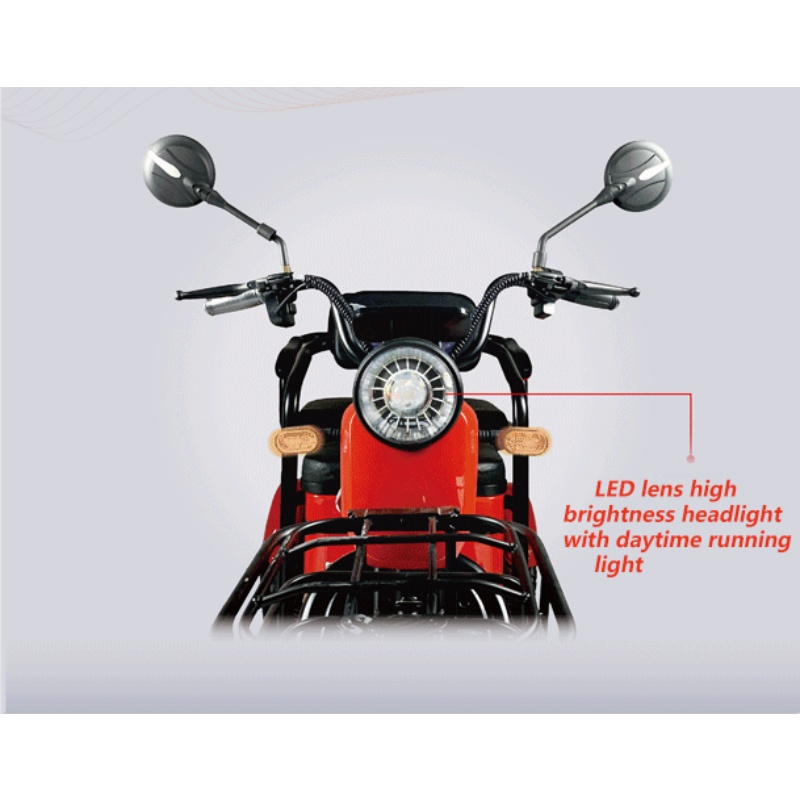
Modern freight tricycles incorporate advanced lighting systems, reflective materials, and bright color schemes that enhance visibility to other road users. LED lighting arrays provide 360-degree visibility during low-light conditions, while integrated turn signals and brake lights communicate operator intentions clearly to surrounding traffic. Some models include proximity sensors and backup alarms that alert pedestrians and cyclists to vehicle movement, reducing accident risks in crowded urban areas.
Cargo Security and Protection Systems
Security features integrated into freight tricycle designs address concerns about cargo protection during transit and delivery operations. Lockable cargo compartments, tamper-resistant fastening systems, and GPS tracking capabilities provide multiple layers of security for valuable shipments. These security measures become particularly important for high-value deliveries or pharmaceutical transportation where cargo integrity is paramount. The compact size of freight tricycles also enables parking in more secure locations compared to larger vehicles.
Advanced models incorporate electronic security systems including alarm systems, immobilizers, and remote monitoring capabilities. These features enable fleet managers to track vehicle location, monitor cargo status, and receive alerts about unauthorized access attempts. The integration of smartphone applications allows real-time communication between operators and dispatch centers, improving response times for security incidents and enhancing overall operational safety protocols.
Technology Integration and Smart Features
Digital Fleet Management Systems
Contemporary freight tricycles integrate sophisticated digital systems that enhance operational efficiency and fleet management capabilities. GPS navigation systems optimized for urban environments provide real-time routing adjustments based on traffic conditions, delivery priorities, and vehicle specifications. These systems consider factors such as weight restrictions, height clearances, and access limitations that affect freight tricycle operations, ensuring optimal route selection for each delivery mission.
Telematics systems built into modern freight tricycles collect comprehensive operational data including battery status, maintenance requirements, operator behavior, and delivery performance metrics. This information enables predictive maintenance scheduling, operator training optimization, and route efficiency improvements. Fleet managers can monitor multiple vehicles simultaneously, making informed decisions about resource allocation and operational adjustments based on real-time performance data.
Battery Technology and Charging Infrastructure
Advances in battery technology have significantly expanded the operational capabilities of electric freight tricycles. Lithium-ion battery systems provide extended range capabilities while maintaining compact dimensions and reasonable weight characteristics. Fast-charging capabilities enable rapid turnaround between delivery routes, with some systems achieving eighty percent charge capacity in under two hours. Removable battery packs offer additional flexibility, allowing operators to swap depleted batteries for fully charged units without vehicle downtime.
The growing charging infrastructure specifically designed for commercial electric vehicles supports freight tricycle adoption in urban areas. Dedicated charging stations at logistics hubs, retail centers, and municipal facilities provide convenient recharging opportunities during delivery routes. Smart charging systems optimize power delivery based on battery condition, ambient temperature, and available electrical capacity, extending battery life while minimizing charging time and energy costs.
Economic Impact and Market Opportunities
Job Creation and Economic Development
The adoption of freight tricycles creates new employment opportunities across multiple sectors including manufacturing, maintenance, and logistics operations. Local assembly facilities for freight tricycles generate manufacturing jobs while supporting component suppliers and related industries. The maintenance and service sector benefits from increased demand for specialized technicians trained in electric vehicle systems and freight tricycle operations. These employment opportunities often provide accessible entry points for workers transitioning from traditional automotive or logistics backgrounds.
Small business entrepreneurs find freight tricycles particularly attractive for starting delivery services due to lower capital requirements compared to traditional commercial vehicles. The reduced barriers to entry enable more diverse participation in the logistics economy, fostering competition and innovation. This accessibility supports local economic development by enabling neighborhood-based delivery services and specialized logistics solutions tailored to specific market segments or geographic areas.
Investment Returns and Financial Performance
The financial performance metrics of freight tricycles demonstrate attractive return on investment characteristics for logistics companies. Lower acquisition costs compared to traditional delivery vehicles enable faster payback periods, while reduced operating expenses improve long-term profitability. Many businesses report complete cost recovery within eighteen to twenty-four months when replacing conventional delivery vehicles with freight tricycle alternatives. These favorable economics make freight tricycles accessible to businesses of various sizes and financial capabilities.
Government incentives and subsidies available in many regions further enhance the financial attractiveness of freight tricycles. Tax credits, rebates, and grants designed to promote clean transportation technologies can significantly reduce initial investment requirements. Some municipalities offer preferential licensing, reduced parking fees, or access to restricted zones for qualifying electric freight tricycles. These incentives recognize the public benefits of reduced emissions and traffic congestion while supporting business adoption of sustainable transportation solutions.
FAQ
What is the typical cargo capacity of a freight tricycle
Most freight tricycles can carry between 150 to 400 kilograms of cargo, depending on the specific model and configuration. The cargo capacity varies based on factors such as frame design, wheel specifications, and intended application. Commercial-grade freight tricycles designed for heavy-duty logistics operations typically offer higher capacity ratings, while models optimized for food delivery or light package transport focus on maneuverability and energy efficiency rather than maximum weight capacity.
How long does the battery last in an electric freight tricycle
Battery life in electric freight tricycles depends on several factors including cargo weight, terrain conditions, weather, and driving patterns. Most modern systems provide 40 to 80 kilometers of range per charge under typical urban delivery conditions. Battery capacity degrades gradually over time, with quality lithium-ion systems maintaining approximately eighty percent of original capacity after 1000 to 1500 charge cycles. Proper charging practices and temperature management can extend battery lifespan significantly beyond manufacturer specifications.
Are freight tricycles suitable for all weather conditions
Modern freight tricycles incorporate weather protection features that enable operation in various climatic conditions, though extreme weather may require operational adjustments. Enclosed cabin designs protect operators and cargo from rain, snow, and wind, while heating and ventilation systems maintain comfort during temperature extremes. However, severe conditions such as heavy snow, ice, or flooding may require temporary suspension of operations for safety reasons, similar to other commercial vehicles.
What maintenance is required for freight tricycles
Maintenance requirements for freight tricycles are generally minimal compared to conventional vehicles. Regular tasks include tire pressure checks, brake adjustments, chain lubrication for pedal-assist models, and electrical system inspections. Electric models require periodic battery condition assessments and charging system maintenance. Most routine maintenance can be performed by operators or general mechanics, though specialized electric vehicle training may be beneficial for troubleshooting complex electrical issues or battery management systems.