
 EN
EN

Modern logistics operations continuously seek innovative solutions to reduce operational expenses while maintaining efficient delivery services. The freight tricycle has emerged as a revolutionary vehicle that transforms how businesses approach last-mile delivery and urban transportation. This three-wheeled commercial vehicle offers unprecedented cost savings through reduced fuel consumption, minimal maintenance requirements, and enhanced operational flexibility in congested urban environments.
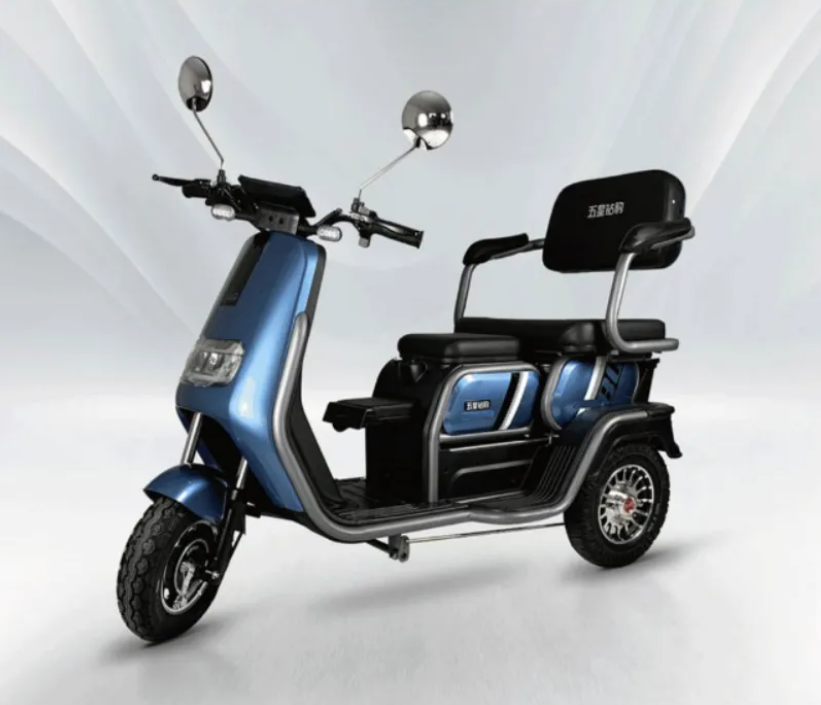
Operational Cost Advantages of Freight Tricycles
Fuel Efficiency and Energy Savings
The primary cost reduction mechanism of a freight tricycle stems from its exceptional fuel efficiency compared to traditional delivery vehicles. Electric freight tricycles consume significantly less energy per mile than conventional trucks or vans, with some models achieving operational costs as low as two cents per mile. This dramatic reduction in energy consumption translates directly to substantial savings on monthly fuel or electricity expenses for logistics companies.
Battery-powered freight tricycles eliminate the need for gasoline or diesel fuel entirely, providing businesses with predictable energy costs that remain stable despite fluctuating petroleum prices. The regenerative braking systems found in many modern freight tricycle models further enhance energy efficiency by recovering power during deceleration, extending operational range while reducing charging frequency and associated electricity costs.
Maintenance Cost Reduction
Traditional delivery vehicles require extensive maintenance schedules including oil changes, transmission servicing, and complex engine repairs that can cost thousands of dollars annually. A freight tricycle simplifies maintenance requirements through its streamlined mechanical design, featuring fewer moving parts and eliminating many systems that require regular servicing in conventional vehicles.
Electric freight tricycles particularly excel in maintenance cost reduction, as electric motors require minimal servicing compared to internal combustion engines. The absence of oil changes, spark plug replacements, and exhaust system repairs significantly reduces both scheduled maintenance expenses and unexpected repair costs that frequently impact traditional delivery fleets.
Insurance and Registration Benefits
Lower Insurance Premiums
Insurance companies typically offer reduced premiums for freight tricycles due to their lower maximum speeds and reduced accident severity compared to larger commercial vehicles. The three-wheeled design provides enhanced stability during turns and stops, leading to fewer insurance claims and corresponding premium reductions for fleet operators.
Many freight tricycle models qualify for specialized commercial tricycle insurance rates that cost substantially less than traditional commercial vehicle policies. This classification advantage enables businesses to protect their delivery assets while maintaining lower overhead costs throughout their operational lifecycle.
Simplified Registration Requirements
The registration process for a freight tricycle often involves reduced fees and simplified documentation compared to larger commercial vehicles. Many jurisdictions classify these vehicles as motorcycles or specialized utility vehicles, resulting in lower annual registration costs and reduced bureaucratic requirements for fleet expansion.
Some regions offer additional incentives for electric freight tricycles, including tax credits, reduced registration fees, or expedited licensing processes that further enhance the financial benefits of adopting this transportation solution for commercial operations.
Urban Delivery Efficiency Improvements
Parking and Access Advantages
Urban delivery operations face increasing challenges with parking restrictions and access limitations that impact operational efficiency and increase costs. A freight tricycle addresses these challenges through its compact footprint, allowing drivers to park in smaller spaces and access areas restricted to larger vehicles.
The ability to navigate narrow streets and park in motorcycle-designated areas reduces the time spent searching for appropriate parking spaces, directly improving delivery efficiency and reducing labor costs associated with extended delivery times. This enhanced accessibility translates to faster delivery cycles and improved customer satisfaction ratings.
Traffic Navigation Benefits
Freight tricycles excel in congested urban environments where larger vehicles experience significant delays due to traffic congestion. The narrow profile of a freight tricycle enables navigation through traffic gaps and access to bike lanes where permitted, reducing delivery times and associated labor costs.
Many cities provide preferential treatment for three-wheeled commercial vehicles, including access to restricted zones during peak hours or reduced congestion charges that further enhance operational cost savings for businesses utilizing freight tricycles in their delivery operations.
Load Capacity and Versatility Analysis
Optimal Payload Configuration
Modern freight tricycles offer impressive load capacities ranging from 300 to 1,500 pounds depending on the specific model and configuration. This payload capacity proves ideal for last-mile delivery applications, accommodating multiple packages or bulk items while maintaining the vehicle's maneuverability and efficiency advantages.
The customizable cargo area design of most freight tricycles allows businesses to configure storage solutions that maximize space utilization for specific delivery requirements. This adaptability eliminates the need for multiple vehicle types, reducing fleet complexity and associated maintenance costs.
Multi-Purpose Applications
Beyond traditional package delivery, freight tricycles serve multiple commercial purposes including mobile vending, equipment transportation, and service calls. This versatility enables businesses to maximize vehicle utilization rates, spreading operational costs across multiple revenue-generating activities rather than limiting usage to single-purpose delivery functions.
The modular design of many freight tricycle models supports quick reconfiguration for different applications, allowing the same vehicle to serve morning delivery routes and afternoon service calls, maximizing return on investment while minimizing idle time that reduces overall operational efficiency.
Environmental and Regulatory Incentives
Government Incentive Programs
Numerous government agencies offer financial incentives for businesses adopting environmentally friendly delivery vehicles, with freight tricycles frequently qualifying for grants, tax credits, or subsidized financing programs. These incentives can offset significant portions of initial purchase costs while providing ongoing operational benefits.
Electric freight tricycles particularly benefit from clean vehicle incentive programs that provide cash rebates, reduced-interest loans, or accelerated depreciation schedules that improve the financial attractiveness of transitioning from conventional delivery vehicles to more sustainable transportation solutions.
Emission Reduction Benefits
The zero-emission operation of electric freight tricycles helps businesses comply with increasingly stringent urban emission regulations while avoiding potential fines or operational restrictions imposed on polluting vehicles. This compliance advantage protects long-term operational viability in environmentally conscious markets.
Many cities implement low-emission zones that restrict access for conventional vehicles while providing unrestricted access for clean vehicles like electric freight tricycles. This regulatory advantage ensures continued market access and competitive positioning as environmental regulations continue strengthening.
Return on Investment Considerations
Initial Investment Recovery
The typical payback period for a freight tricycle investment ranges from 18 to 36 months depending on utilization rates and operational requirements. This relatively short recovery timeframe makes freight tricycles attractive investments for businesses seeking rapid returns on transportation equipment purchases.
Higher utilization rates in urban delivery applications can accelerate payback periods significantly, with some high-volume operations recovering their freight tricycle investments within the first year of operation through reduced fuel, maintenance, and operational costs compared to traditional delivery vehicles.
Long-term Value Proposition
The extended operational lifespan of quality freight tricycles, particularly electric models with minimal mechanical complexity, provides sustained cost savings throughout the vehicle's service life. Many models operate effectively for over 100,000 miles with minimal maintenance, ensuring consistent operational cost advantages over multiple years.
Residual value retention for well-maintained freight tricycles exceeds that of conventional delivery vehicles due to lower mechanical wear and sustained market demand for efficient urban delivery solutions, providing additional financial benefits when vehicles reach end-of-service replacement cycles.
FAQ
What is the average daily operating cost of a freight tricycle compared to a delivery van
A freight tricycle typically costs between $8-15 per day to operate, including energy, maintenance, and insurance, while a comparable delivery van costs $35-50 daily. This represents a 60-70% reduction in daily operational expenses, with electric freight tricycles achieving the lowest operating costs due to minimal energy and maintenance requirements.
How much cargo weight can a freight tricycle safely transport
Most commercial freight tricycles safely transport between 300-800 pounds of cargo, with heavy-duty models accommodating up to 1,500 pounds. The specific capacity depends on the vehicle's design, construction materials, and intended application, with payload capacity clearly specified by manufacturers to ensure safe operation and optimal performance.
Do freight tricycles require special licensing or training to operate
Licensing requirements vary by jurisdiction, but most freight tricycles require only a standard driver's license or motorcycle endorsement. Some regions mandate brief safety training courses for commercial operators, but the requirements remain significantly less complex than commercial truck licensing, reducing training costs and administrative burden for fleet operators.
What maintenance schedule should businesses follow for freight tricycles
Electric freight tricycles require minimal maintenance, typically involving monthly battery checks, quarterly brake inspections, and annual comprehensive servicing. Gas-powered models need oil changes every 3,000-5,000 miles plus standard maintenance schedules, but both options require significantly less maintenance than traditional delivery vehicles, reducing downtime and service expenses.