
 EN
EN
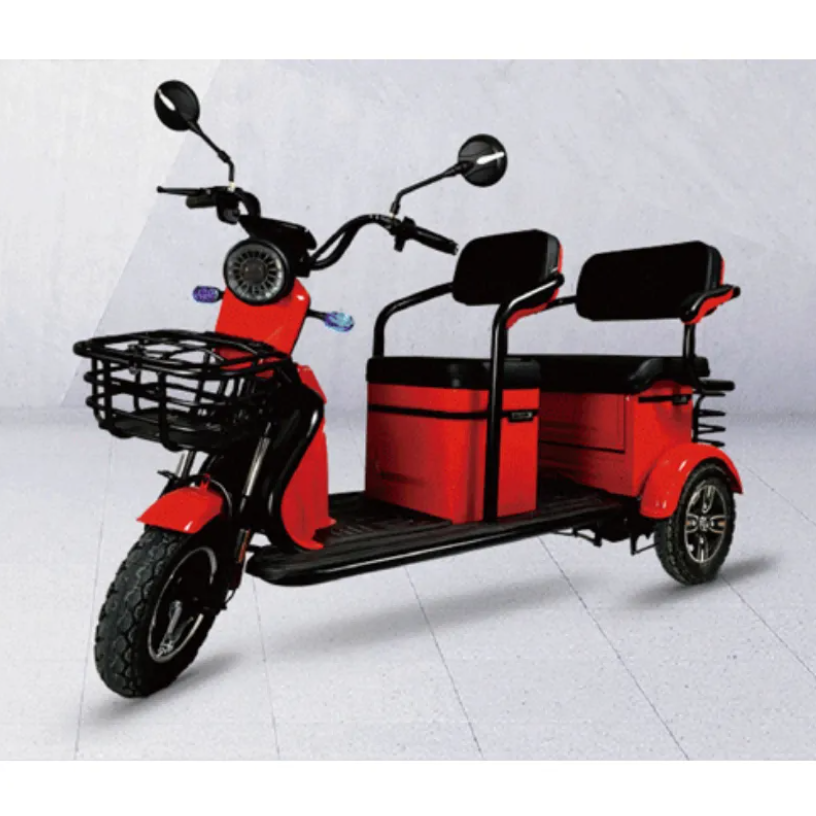
The modern logistics industry faces unprecedented challenges in urban delivery, with businesses seeking efficient and cost-effective transportation solutions that can navigate congested city streets while maintaining impressive load capacity. A freight tricycle represents a revolutionary approach to urban cargo transport, combining the agility of traditional bicycles with the substantial carrying capacity required for commercial applications. These innovative vehicles have transformed last-mile delivery operations across industries, offering businesses a sustainable and practical alternative to conventional delivery trucks. The versatility and efficiency of freight tricycle systems make them indispensable tools for modern urban logistics, providing solutions that address both environmental concerns and operational efficiency requirements.
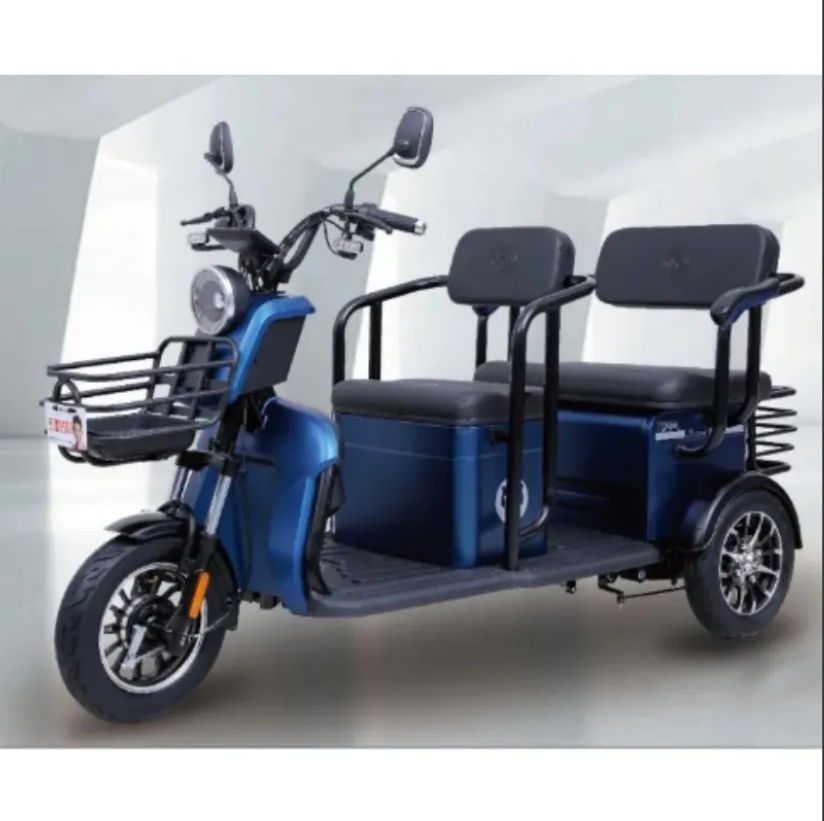
Understanding Freight Tricycle Load Capacity Fundamentals
Maximum Weight Distribution Principles
The load capacity of a freight tricycle depends on several critical engineering factors that determine its maximum carrying potential and operational safety. Modern freight tricycle designs typically support cargo loads ranging from 200 to 800 kilograms, depending on the specific model and construction materials used. The distribution of weight across the three-wheel platform ensures superior stability compared to two-wheeled alternatives, allowing operators to transport heavier loads with greater confidence and control. Engineers design these vehicles with reinforced chassis systems that distribute weight evenly across multiple contact points, preventing structural stress and ensuring long-term durability under heavy usage conditions.
Load distribution principles for freight tricycle operations require careful consideration of cargo placement and weight balance to maintain optimal performance characteristics. The center of gravity plays a crucial role in determining how much weight the vehicle can safely carry while maintaining maneuverability and braking efficiency. Professional operators understand that proper load distribution not only maximizes carrying capacity but also extends vehicle lifespan and reduces maintenance requirements. Strategic placement of heavy items near the vehicle's center point ensures maximum stability during acceleration, deceleration, and cornering maneuvers.
Structural Engineering Considerations
The structural integrity of a freight tricycle directly correlates with its load-bearing capabilities, requiring sophisticated engineering approaches that balance weight capacity with vehicle mobility. Advanced materials such as high-strength steel alloys and lightweight aluminum composites enable manufacturers to create robust frames capable of supporting substantial cargo loads without compromising operational efficiency. The triangular wheel configuration provides inherent stability advantages over traditional two-wheeled vehicles, distributing load forces across a wider base and reducing the risk of tipping during heavy cargo transport operations.
Suspension systems in modern freight tricycle designs incorporate advanced shock absorption technologies that maintain cargo stability while navigating various road surfaces and conditions. These systems ensure that heavy loads remain secure during transport, preventing damage to both cargo and vehicle components. The integration of reinforced cargo compartments with the main chassis creates a unified structure capable of handling dynamic loads and operational stresses encountered during typical delivery operations. Quality construction materials and precision manufacturing techniques contribute to overall vehicle reliability and load capacity performance.
Commercial Applications and Industry Benefits
Urban Delivery Optimization
Urban delivery operations benefit significantly from freight tricycle implementation, as these vehicles provide efficient solutions for navigating congested city environments while maintaining substantial cargo capacity. The compact footprint of a freight tricycle allows operators to access narrow streets, pedestrian areas, and restricted zones where larger delivery trucks cannot operate effectively. This accessibility advantage enables businesses to provide faster, more responsive delivery services while reducing operational costs associated with traditional vehicle-based logistics. The ability to park in smaller spaces and maneuver through traffic congestion makes freight tricycle operations particularly valuable for time-sensitive deliveries.
The environmental benefits of freight tricycle operations align with modern urban sustainability initiatives, providing businesses with eco-friendly transportation alternatives that reduce carbon emissions and noise pollution. Many cities actively promote the use of cargo bicycles and freight tricycles through incentive programs and preferential access policies that support sustainable logistics practices. These vehicles contribute to improved air quality in urban areas while maintaining the cargo capacity necessary for efficient commercial operations. The combination of environmental responsibility and practical functionality makes freight tricycle adoption an attractive option for forward-thinking businesses.
Cost-Effectiveness Analysis
The operational cost advantages of freight tricycle systems become apparent when comparing total cost of ownership against traditional delivery vehicles. Initial purchase costs remain significantly lower than motorized alternatives, while ongoing maintenance expenses are minimal due to the simplicity of mechanical systems and fewer moving parts. Fuel costs are eliminated entirely for human-powered models, while electric-assisted versions consume substantially less energy than conventional delivery trucks. Insurance costs and licensing requirements are typically reduced, contributing to overall operational savings that improve business profitability.
Labor efficiency improvements result from the ease of operation and reduced physical strain associated with freight tricycle use compared to manual cargo handling methods. Operators can transport larger quantities of goods with less physical effort, increasing productivity and reducing fatigue-related injuries. The learning curve for freight tricycle operation is minimal, allowing businesses to quickly train personnel and deploy these vehicles in their logistics operations. Reduced training time and simplified maintenance procedures contribute to lower operational overhead and faster return on investment.
Technical Specifications and Performance Metrics
Load Capacity Variations
Different freight tricycle models offer varying load capacities designed to meet specific industry requirements and operational demands. Entry-level models typically support loads between 150-300 kilograms, making them suitable for light cargo applications such as food delivery, document transport, and small package distribution. Mid-range freight tricycle options extend capacity to 300-500 kilograms, accommodating medium-weight cargo including retail merchandise, construction supplies, and bulk food products. Heavy-duty models can handle loads exceeding 500 kilograms, supporting industrial applications and large-scale delivery operations.
Cargo volume capacity varies independently of weight limits, with different freight tricycle designs optimizing for specific types of cargo transport. Box-style cargo areas provide secure enclosed storage for valuable or weather-sensitive items, while open platform designs maximize volume capacity for larger items that exceed standard container dimensions. Specialized freight tricycle configurations include refrigerated compartments for food service applications, secure lockable containers for valuable goods transport, and modular systems that adapt to changing cargo requirements throughout operational cycles.
Performance Under Load Conditions
The performance characteristics of a freight tricycle change significantly when operating under maximum load conditions, requiring operators to understand these variations for safe and efficient operation. Acceleration and braking distances increase proportionally with cargo weight, necessitating adjusted driving techniques and increased following distances to maintain safety margins. Steering response becomes less sensitive under heavy loads, requiring more deliberate control inputs and advanced planning for directional changes. Hill climbing ability decreases substantially with increased cargo weight, making route planning an important consideration for heavily loaded operations.
Battery life and range for electric-assisted freight tricycle models decrease when operating under heavy load conditions, requiring careful energy management and charging schedule planning. The additional power requirements for moving heavier loads result in faster battery depletion and may necessitate more frequent charging stops during extended delivery routes. Operators must balance load capacity utilization against range requirements to ensure reliable completion of assigned delivery tasks. Understanding these performance trade-offs enables businesses to optimize freight tricycle deployment for maximum operational efficiency.
Safety Considerations and Load Management
Cargo Securing Techniques
Proper cargo securing techniques are essential for safe freight tricycle operation, preventing load shifts that could compromise vehicle stability and operator safety. Professional cargo restraint systems include adjustable straps, cargo nets, and specialized tie-down points integrated into the freight tricycle frame design. The use of appropriate securing methods ensures that cargo remains stable during acceleration, braking, and cornering maneuvers, reducing the risk of accidents caused by shifting loads. Regular inspection of cargo restraint systems helps maintain their effectiveness and prevents unexpected failures during operation.
Load distribution guidelines specify optimal placement of heavy items within the cargo area to maintain vehicle balance and stability characteristics. Heavier items should be positioned as close to the vehicle's center of gravity as possible, while lighter items can be placed in peripheral cargo areas without significantly affecting handling characteristics. The sequential loading process should prioritize weight distribution over convenience, ensuring that the final load configuration maintains optimal vehicle stability. Training programs for freight tricycle operators should emphasize proper loading techniques and cargo securing procedures to maintain safety standards.
Operational Safety Protocols
Comprehensive safety protocols for freight tricycle operation include pre-trip inspections, load verification procedures, and ongoing monitoring of vehicle performance under loaded conditions. Operators should verify that cargo weight remains within manufacturer specifications and that all safety systems function properly before beginning delivery routes. Regular maintenance schedules ensure that braking systems, steering components, and structural elements remain capable of handling maximum load conditions safely. Documentation of load weights and cargo types helps identify patterns that may require operational adjustments or equipment modifications.
Weather considerations become more critical when operating a freight tricycle under heavy load conditions, as reduced visibility and slippery surfaces compound the challenges of controlling a heavily loaded vehicle. Rain, snow, and wind conditions require adjusted operating procedures and potentially reduced load limits to maintain safe operation standards. Emergency procedures should be established for situations where cargo must be quickly unloaded or secured to prevent accidents during adverse weather conditions. Training programs should address weather-related safety concerns and appropriate response procedures for various environmental challenges.
Maintenance and Longevity Factors
Component Stress Management
Regular operation of a freight tricycle under maximum load conditions creates increased stress on mechanical components, requiring proactive maintenance strategies to ensure reliable performance and extend vehicle lifespan. Critical components including wheel bearings, brake systems, and structural joints experience accelerated wear when subjected to heavy loads on a regular basis. Preventive maintenance schedules should account for increased stress levels and incorporate more frequent inspection intervals for heavily utilized freight tricycle units. Component replacement schedules may need adjustment based on actual load utilization patterns and operating environment conditions.
Tire wear patterns provide valuable insight into load distribution effectiveness and overall vehicle condition, helping operators identify potential issues before they result in component failures. Uneven tire wear indicates improper load distribution or mechanical problems that require immediate attention to prevent safety hazards. Regular tire pressure monitoring becomes more critical under heavy load conditions, as underinflated tires can fail catastrophically when supporting maximum weight loads. Quality tire selection appropriate for intended load ranges ensures optimal performance and safety under various operating conditions.
Service Interval Optimization
Service interval optimization for freight tricycle operations requires consideration of actual usage patterns, load frequencies, and operating environment conditions to develop cost-effective maintenance strategies. High-utilization vehicles operating under maximum load conditions require more frequent service intervals compared to units used for lighter cargo transport applications. Maintenance scheduling should prioritize safety-critical components such as braking systems and steering mechanisms, ensuring these systems remain capable of handling emergency situations under full load conditions.
Documentation of maintenance activities and component replacement history helps identify patterns and predict future service requirements for freight tricycle fleets. Data-driven maintenance approaches enable businesses to optimize service intervals based on actual component wear rates rather than generic manufacturer recommendations. Proactive maintenance strategies reduce unexpected downtime and extend overall vehicle lifespan while maintaining safe operating conditions under various load scenarios. Investment in quality maintenance practices ultimately reduces total cost of ownership and improves operational reliability.
FAQ
What is the maximum load capacity of a typical freight tricycle
Most freight tricycles can safely carry between 200 to 800 kilograms depending on their specific design and construction materials. Entry-level models typically support 150-300 kg loads, while heavy-duty commercial units can handle loads exceeding 500 kg. The actual capacity depends on factors including frame construction, wheel configuration, and intended application. Always consult manufacturer specifications and local regulations to determine appropriate load limits for your specific freight tricycle model and operating conditions.
How does load weight affect freight tricycle performance and range
Increased load weight significantly impacts freight tricycle performance by reducing acceleration capability, increasing braking distances, and decreasing hill climbing ability. For electric-assisted models, heavier loads reduce battery range by 20-40% depending on terrain and operating conditions. Steering responsiveness decreases under heavy loads, requiring more deliberate control inputs and increased following distances. Operators should plan routes considering these performance changes and adjust operating techniques accordingly when carrying maximum loads.
What safety considerations are important when operating a fully loaded freight tricycle
Safety considerations for fully loaded freight tricycle operation include proper cargo securing using appropriate restraint systems, maintaining optimal load distribution to preserve vehicle stability, and conducting pre-trip inspections of all safety systems. Operators must adjust driving techniques for increased braking distances and reduced maneuverability under heavy loads. Weather conditions require additional caution as wind and wet surfaces affect heavily loaded vehicles more significantly. Regular maintenance of braking systems and structural components becomes critical when operating under maximum load conditions.
How can businesses optimize freight tricycle load capacity for maximum efficiency
Businesses can optimize freight tricycle load capacity by implementing strategic route planning that considers cargo weight distribution and delivery sequence optimization. Training operators in proper loading techniques ensures maximum weight utilization while maintaining safety standards. Regular analysis of cargo types and delivery patterns helps identify opportunities for load consolidation and improved capacity utilization. Investing in appropriate freight tricycle models matched to specific cargo requirements ensures optimal performance and prevents underutilization of available capacity.
Table of Contents
- Understanding Freight Tricycle Load Capacity Fundamentals
- Commercial Applications and Industry Benefits
- Technical Specifications and Performance Metrics
- Safety Considerations and Load Management
- Maintenance and Longevity Factors
-
FAQ
- What is the maximum load capacity of a typical freight tricycle
- How does load weight affect freight tricycle performance and range
- What safety considerations are important when operating a fully loaded freight tricycle
- How can businesses optimize freight tricycle load capacity for maximum efficiency