
 EN
EN
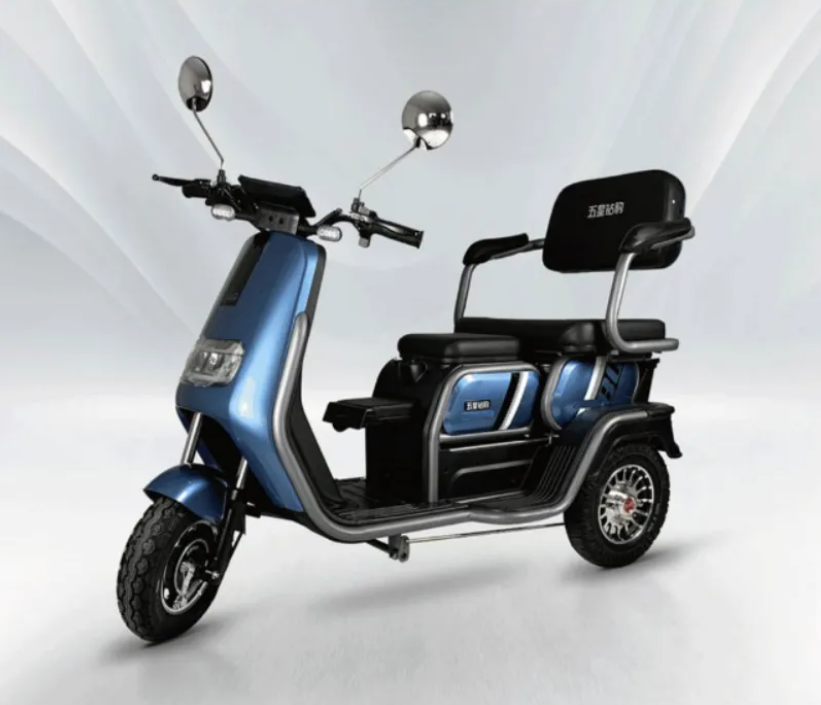
The transportation industry has witnessed significant shifts in recent years, with suppliers increasingly recognizing the strategic value of mopeds alongside traditional motorcycle offerings. Long-term vehicle suppliers are discovering that mopeds provide exceptional flexibility, cost-effectiveness, and operational advantages that complement their primary motorcycle inventory. This trend reflects broader market demands for diverse, efficient transportation solutions that serve various customer segments and use cases.
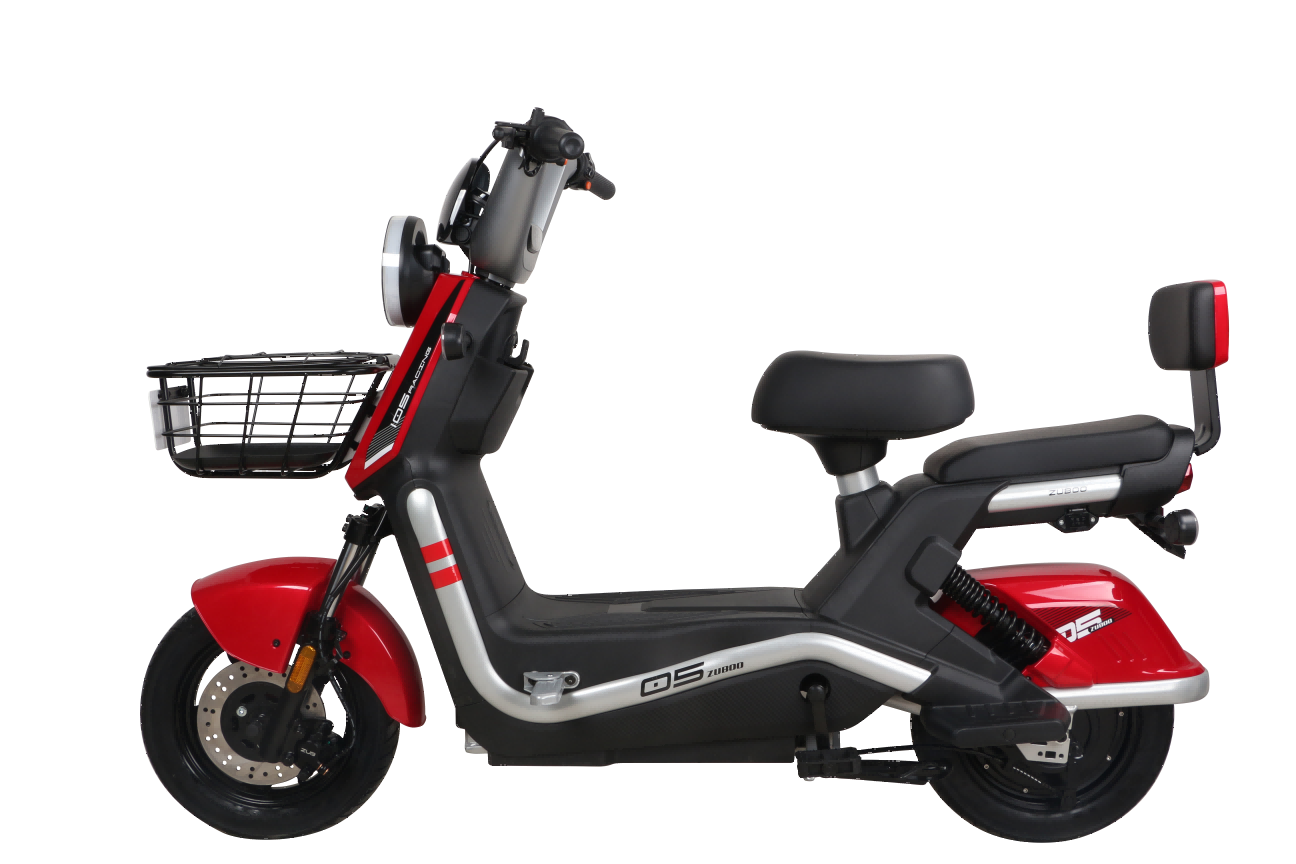
Vehicle suppliers specializing in long-term partnerships understand that diversifying their fleet offerings creates sustainable competitive advantages. Mopeds represent a logical expansion from traditional motorcycle services, requiring similar maintenance expertise while addressing distinct market niches. The integration of mopeds into existing motorcycle supply chains often proves more seamless than diversifying into completely different vehicle categories.
Economic Advantages for Supply Chain Operations
Lower Initial Investment Requirements
Mopeds typically require significantly lower capital investment compared to full-size motorcycle inventory, making them attractive additions to supplier portfolios. The reduced upfront costs allow suppliers to expand their offerings without substantial financial risk, while still maintaining their core motorcycle business operations. This financial flexibility enables suppliers to test market demand and scale their moped operations based on actual customer response.
Long-term suppliers benefit from improved cash flow management when incorporating mopeds into their fleet mix. The shorter payback periods associated with moped investments allow suppliers to reinvest profits more quickly into their primary motorcycle operations or further expand their moped inventory. This cyclical investment strategy strengthens overall business sustainability.
Reduced Insurance and Regulatory Costs
Insurance premiums for mopeds are generally lower than those for traditional motorcycle fleets, creating ongoing operational savings for suppliers. The reduced liability exposure associated with lower-powered vehicles translates to meaningful cost reductions across large fleet operations. These savings can be reinvested into service quality improvements or passed along to customers as competitive pricing.
Regulatory compliance costs for mopeds are often less complex than those governing motorcycle operations, simplifying administrative requirements for suppliers. Many jurisdictions impose fewer licensing requirements and safety regulations on mopeds, reducing compliance overhead. This regulatory advantage allows suppliers to focus resources on core business activities rather than extensive administrative processes.
Market Demand and Customer Preferences
Urban Mobility Solutions
Urban environments increasingly favor mopeds over traditional motorcycle options due to parking convenience, fuel efficiency, and maneuverability in congested areas. Long-term suppliers recognize this trend and position mopeds as complementary solutions to their motorcycle offerings. The growing emphasis on sustainable urban transportation creates sustained demand for efficient, low-emission vehicles that mopeds effectively address.
City planning initiatives worldwide are promoting alternative transportation methods, creating favorable conditions for moped adoption. Suppliers who establish moped programs early gain first-mover advantages in rapidly expanding urban markets. The integration of mopeds with existing motorcycle supply chains allows suppliers to serve diverse urban transportation needs comprehensively.
Demographic Expansion Opportunities
Mopeds appeal to demographic segments that might find traditional motorcycle options intimidating or impractical, expanding the potential customer base for vehicle suppliers. Younger riders, urban professionals, and those seeking economical transportation solutions often prefer mopeds over full-size motorcycle alternatives. This demographic expansion allows suppliers to diversify their customer portfolio and reduce dependence on traditional motorcycle markets.
Senior customers and those with physical limitations may find mopeds more accessible than traditional motorcycle options, creating additional market opportunities. The lower weight and simplified operation of mopeds make them suitable for customers who require easier handling characteristics. This accessibility factor contributes to sustained demand across multiple customer segments.
Operational Synergies with Motorcycle Services
Shared Infrastructure and Expertise
Existing motorcycle maintenance facilities can typically accommodate moped servicing with minimal additional investment in specialized equipment. The mechanical similarities between mopeds and motorcycle systems allow service technicians to efficiently work on both vehicle types. This operational synergy maximizes the utilization of existing infrastructure investments while expanding service capabilities.
Parts inventory management becomes more efficient when suppliers handle both mopeds and motorcycle components, as many mechanical systems share common elements. Suppliers can achieve better purchasing power through combined orders and reduce inventory carrying costs through component standardization. These operational efficiencies contribute to improved profit margins across both vehicle categories.
Cross-Training and Resource Utilization
Motorcycle technicians can typically adapt to moped maintenance requirements through minimal additional training, maximizing existing human resource investments. The skill sets required for motorcycle service translate effectively to moped maintenance, reducing training costs and implementation timelines. This cross-training capability allows suppliers to respond flexibly to varying demand patterns between motorcycle and moped services.
Administrative systems for motorcycle fleet management can often accommodate moped operations with minor modifications, reducing implementation costs. Customer relationship management, billing systems, and maintenance tracking platforms typically scale effectively across both vehicle types. This systems integration creates operational efficiencies that benefit overall business performance.
Strategic Positioning and Market Differentiation
Comprehensive Transportation Solutions
Suppliers offering both motorcycle and moped options position themselves as comprehensive transportation solution providers rather than single-category vendors. This positioning enhances customer relationships by addressing diverse transportation needs within single supplier relationships. The ability to recommend appropriate vehicle types based on specific customer requirements demonstrates expertise and builds trust.
Long-term supplier relationships benefit from the flexibility to adjust vehicle recommendations as customer needs evolve. Customers may begin with moped requirements but eventually need motorcycle solutions, or vice versa. Suppliers who offer both options retain customers through changing requirements rather than losing them to competitors.
Risk Distribution and Business Resilience
Diversifying between motorcycle and moped operations helps suppliers manage market volatility and seasonal demand fluctuations. When motorcycle demand experiences downturns, moped sales may remain stable or even increase due to economic considerations. This risk distribution contributes to more predictable revenue streams and business stability.
Economic uncertainty often drives consumers toward more economical transportation options, making mopeds countercyclical to luxury motorcycle purchases. Suppliers with diversified offerings can maintain revenue during economic downturns by adjusting their marketing focus toward appropriate vehicle categories. This flexibility provides competitive advantages during challenging market conditions.
Technology Integration and Future Readiness
Electric Vehicle Transition Opportunities
The transition to electric vehicles often begins with smaller, simpler applications like electric mopeds before advancing to electric motorcycle systems. Suppliers who establish moped programs position themselves advantageously for the electric vehicle transition. The lower complexity and cost of electric moped systems make them ideal entry points for suppliers developing electric vehicle expertise.
Electric moped technology serves as a testing ground for electric motorcycle applications, allowing suppliers to develop technical expertise incrementally. The lessons learned from electric moped operations directly apply to future electric motorcycle programs. This progressive approach reduces the risk associated with electric vehicle adoption while building competitive advantages.
Digital Service Integration
Modern moped operations often incorporate digital tracking, maintenance scheduling, and customer communication technologies that enhance overall service quality. These technological capabilities complement traditional motorcycle service operations and create opportunities for service innovation. The integration of digital tools across both vehicle categories provides customers with seamless, modern service experiences.
Data analytics from moped operations provide insights that improve overall fleet management capabilities, benefiting both motorcycle and moped services. Usage patterns, maintenance requirements, and customer preferences identified through moped programs often apply to motorcycle operations. This data-driven approach enables suppliers to optimize their entire service portfolio continuously.
FAQ
How do mopeds complement existing motorcycle supply operations
Mopeds complement motorcycle operations by utilizing existing infrastructure, technical expertise, and administrative systems while serving different market segments. The mechanical similarities allow shared maintenance facilities and cross-trained technicians, maximizing resource utilization. This integration creates operational synergies that improve overall business efficiency while expanding service capabilities to address diverse customer transportation needs.
What are the main cost advantages of adding mopeds to vehicle supply portfolios
The primary cost advantages include lower initial capital investment, reduced insurance premiums, simplified regulatory compliance, and shared operational infrastructure with existing motorcycle services. These factors combine to create attractive profit margins while requiring minimal additional overhead investment. The shorter payback periods also improve cash flow management and reinvestment opportunities.
How do market trends support moped adoption in long-term supply relationships
Urban mobility trends, environmental consciousness, and demographic shifts toward economical transportation solutions all support sustained moped demand. City planning initiatives promoting alternative transportation and the growing emphasis on fuel efficiency create favorable market conditions. These trends complement rather than compete with traditional motorcycle markets, allowing suppliers to serve expanded customer bases.
What challenges should suppliers consider when integrating mopeds with motorcycle operations
Key challenges include initial market education, potential customer perception issues, and the need for appropriate marketing positioning. Suppliers must ensure that moped offerings enhance rather than dilute their motorcycle brand positioning. Additionally, managing inventory mix and seasonal demand variations between vehicle categories requires careful planning and flexible operational approaches.
Table of Contents
- Economic Advantages for Supply Chain Operations
- Market Demand and Customer Preferences
- Operational Synergies with Motorcycle Services
- Strategic Positioning and Market Differentiation
- Technology Integration and Future Readiness
-
FAQ
- How do mopeds complement existing motorcycle supply operations
- What are the main cost advantages of adding mopeds to vehicle supply portfolios
- How do market trends support moped adoption in long-term supply relationships
- What challenges should suppliers consider when integrating mopeds with motorcycle operations