
 EN
EN
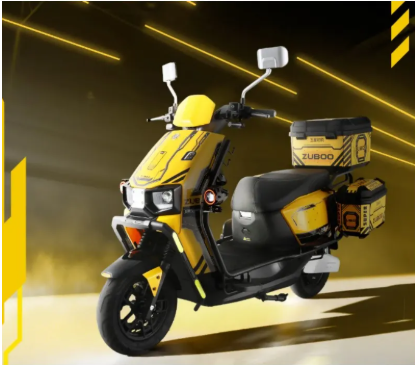
The global automotive industry has witnessed unprecedented growth in demand for two-wheeled vehicles, with the motorcycle segment leading this transformation. As urbanization accelerates worldwide and traffic congestion becomes a pressing concern in major cities, vehicle suppliers are increasingly recognizing the strategic importance of incorporating motorcycle manufacturing and distribution into their portfolios. This shift represents not just a response to market demand, but a fundamental evolution in how transportation solutions are conceived and delivered across diverse global markets.
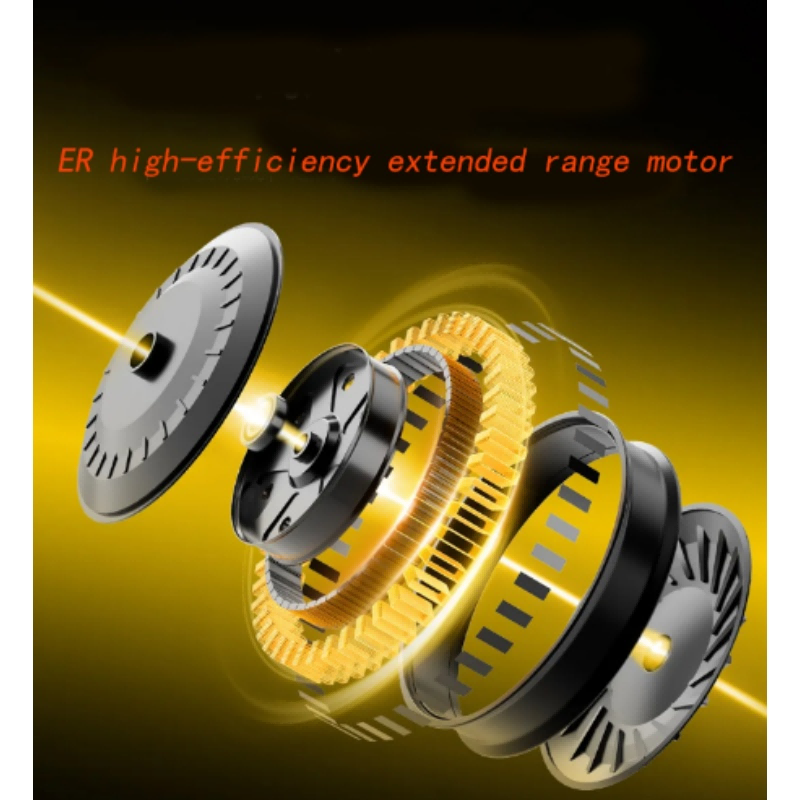
The appeal of motorcycle production extends beyond simple profit margins to encompass strategic advantages that align with contemporary transportation trends. Vehicle suppliers are discovering that motorcycle manufacturing offers unique opportunities for market penetration, technological innovation, and sustainable growth initiatives. The versatility and adaptability of motorcycle designs make them particularly attractive for suppliers seeking to diversify their offerings while maintaining operational efficiency and competitive positioning in an increasingly complex global marketplace.
Market Dynamics Driving Motorcycle Demand
Urban Mobility Solutions and Traffic Efficiency
Metropolitan areas worldwide are experiencing unprecedented population growth, creating significant challenges for traditional transportation infrastructure. The motorcycle emerges as a practical solution to these urban mobility constraints, offering superior maneuverability through congested streets and requiring minimal parking space compared to conventional automobiles. Vehicle suppliers recognize that motorcycle production addresses real-world transportation needs while providing cost-effective solutions for consumers facing economic pressures and environmental concerns.
The efficiency advantages of motorcycle transportation extend beyond individual convenience to encompass broader urban planning considerations. City planners and transportation authorities increasingly favor two-wheeled vehicles as components of integrated mobility strategies. This institutional support creates stable demand channels for vehicle suppliers, particularly those capable of producing reliable, fuel-efficient motorcycle models that meet stringent urban emission standards and safety requirements.
Economic Accessibility and Market Penetration
The motorcycle segment represents one of the most accessible entry points into personal transportation for emerging market consumers. Vehicle suppliers targeting global expansion find that motorcycle production enables them to establish manufacturing presence and brand recognition in developing economies where purchasing power may not support premium automobile sales. This accessibility factor creates substantial volume opportunities while building long-term customer relationships that can evolve as economic conditions improve.
Manufacturing cost structures for motorcycle production typically require lower capital investment compared to automobile assembly lines, making market entry more feasible for suppliers exploring new geographical territories. The reduced complexity of motorcycle production systems allows for more flexible manufacturing approaches, including partnerships with local assemblers or contract manufacturing arrangements that minimize initial investment while maximizing market responsiveness and cultural adaptation.
Technological Innovation and Manufacturing Advantages
Advanced Engineering Applications
Modern motorcycle design incorporates cutting-edge technologies that serve as proving grounds for innovations later applied to larger vehicle platforms. Vehicle suppliers leverage motorcycle development programs to test advanced materials, electronic systems, and propulsion technologies in real-world conditions with lower development costs and shorter time-to-market cycles. These technological advantages make motorcycle production an attractive research and development investment for forward-thinking suppliers.
The integration of electronic fuel injection, anti-lock braking systems, and sophisticated engine management technologies in contemporary motorcycle designs demonstrates the technical sophistication achievable within compact, cost-effective packages. Suppliers find that motorcycle engineering challenges often drive innovation in weight reduction, power density, and system integration that benefits their entire product portfolio while maintaining competitive advantages in rapidly evolving transportation markets.
Production Flexibility and Manufacturing Efficiency
The motorcycle manufacturing process offers inherent flexibility advantages that appeal to global vehicle suppliers seeking operational efficiency and market responsiveness. Production lines can be reconfigured more readily to accommodate model variations or respond to shifting demand patterns, providing suppliers with strategic advantages in volatile market conditions. This manufacturing agility enables rapid product introductions and customization options that enhance competitive positioning.
Quality control systems for motorcycle production can be implemented with greater precision due to the manageable complexity of component systems and assembly processes. Vehicle suppliers find that motorcycle manufacturing enables them to develop and refine quality management practices that can be scaled and applied across their broader product portfolios, creating organizational capabilities that drive excellence throughout their operations.
Global Supply Chain Integration and Strategic Benefits
Component Standardization and Economies of Scale
Vehicle suppliers operating in the motorcycle segment benefit from significant component standardization opportunities that drive cost efficiencies across their manufacturing operations. Many motorcycle components, including engines, braking systems, and electronic modules, can be standardized across multiple model lines and even shared with other vehicle categories. This standardization enables suppliers to achieve economies of scale that improve profitability while maintaining product differentiation through styling and feature variations.
The global nature of motorcycle markets creates opportunities for suppliers to optimize their supply chain networks through strategic component sourcing and manufacturing location decisions. Regional production facilities can serve multiple markets while taking advantage of local labor costs, material availability, and transportation efficiencies. These supply chain advantages make motorcycle production particularly attractive for suppliers seeking to establish or expand their global manufacturing footprint.
Brand Development and Market Positioning
Successful motorcycle production enables vehicle suppliers to develop strong brand recognition and customer loyalty that extends beyond two-wheeled vehicles to encompass their broader product offerings. The emotional connection that consumers develop with motorcycle brands often translates into preference for related products and services, creating valuable cross-selling opportunities and brand extension possibilities for suppliers with diversified portfolios.
The performance characteristics and reliability of motorcycle products serve as tangible demonstrations of supplier capabilities, establishing credibility that supports expansion into adjacent market segments. Vehicle suppliers find that motorcycle manufacturing success provides compelling evidence of their engineering expertise, manufacturing quality, and customer service capabilities, facilitating business development opportunities in related transportation and industrial markets.
Environmental Sustainability and Future Market Trends
Emission Reduction and Environmental Compliance
Contemporary environmental regulations and consumer preferences increasingly favor transportation solutions that minimize environmental impact, making motorcycle production strategically important for suppliers committed to sustainability initiatives. Modern motorcycle engines achieve exceptional fuel efficiency ratings that significantly exceed those of conventional automobiles, positioning suppliers to capitalize on growing demand for environmentally responsible transportation alternatives.
The development of electric motorcycle technologies presents additional opportunities for vehicle suppliers to demonstrate environmental leadership while accessing emerging market segments. Electric motorcycle production requires expertise in battery management systems, electric motor integration, and charging infrastructure that positions suppliers advantageously for the broader electrification trends affecting all transportation sectors.
Regulatory Adaptation and Compliance Strategies
Global motorcycle regulations continue evolving toward stricter emission standards, safety requirements, and technical specifications that create both challenges and opportunities for vehicle suppliers. Companies with robust engineering capabilities and regulatory compliance expertise find that motorcycle production enables them to develop systematic approaches to regulatory adaptation that benefit their entire product portfolio while maintaining market access across diverse jurisdictions.
The relatively rapid product development cycles characteristic of motorcycle markets enable suppliers to implement regulatory compliance innovations more quickly than in automobile segments, providing competitive advantages and regulatory expertise that can be leveraged across their operations. This regulatory agility makes motorcycle production particularly valuable for suppliers operating in multiple international markets with varying and evolving regulatory frameworks.
FAQ
What factors make motorcycle production attractive to global vehicle suppliers
Vehicle suppliers are drawn to motorcycle production due to several key factors including lower capital investment requirements, flexible manufacturing processes, and strong market demand in both developed and emerging economies. The ability to test new technologies in motorcycle applications before scaling to larger vehicles, combined with favorable profit margins and diverse market opportunities, makes motorcycle manufacturing strategically valuable for suppliers seeking growth and diversification.
How do motorcycles contribute to urban transportation solutions
Motorcycles address critical urban transportation challenges through superior maneuverability in congested traffic, minimal parking space requirements, and excellent fuel efficiency that reduces both costs and emissions. Their compact size enables efficient navigation through crowded city streets while providing reliable personal transportation that supports urban productivity and economic activity, making them essential components of comprehensive urban mobility strategies.
What technological advantages do suppliers gain from motorcycle manufacturing
Motorcycle production serves as an excellent platform for developing and testing advanced technologies including electronic fuel injection, sophisticated engine management systems, lightweight materials, and integrated safety features. The shorter development cycles and lower costs associated with motorcycle engineering enable suppliers to innovate more rapidly while building technical capabilities that enhance their competitiveness across all product categories.
Why are emerging markets particularly important for motorcycle suppliers
Emerging markets represent the fastest-growing segments of global motorcycle demand due to increasing urbanization, rising disposable income, and the need for affordable personal transportation solutions. These markets offer substantial volume opportunities for suppliers while providing platforms for establishing brand recognition, developing local partnerships, and building market presence that can support broader business expansion as economic conditions evolve.